



Mike Bartick
Dan Tonkin

Shunsaku Kamide
Nagaaki Sato
Yuta Shigeno
Jun Shimizu

Kirin Sekito

Takuya Nakamura
Kyu Furumi

Sachi Murai
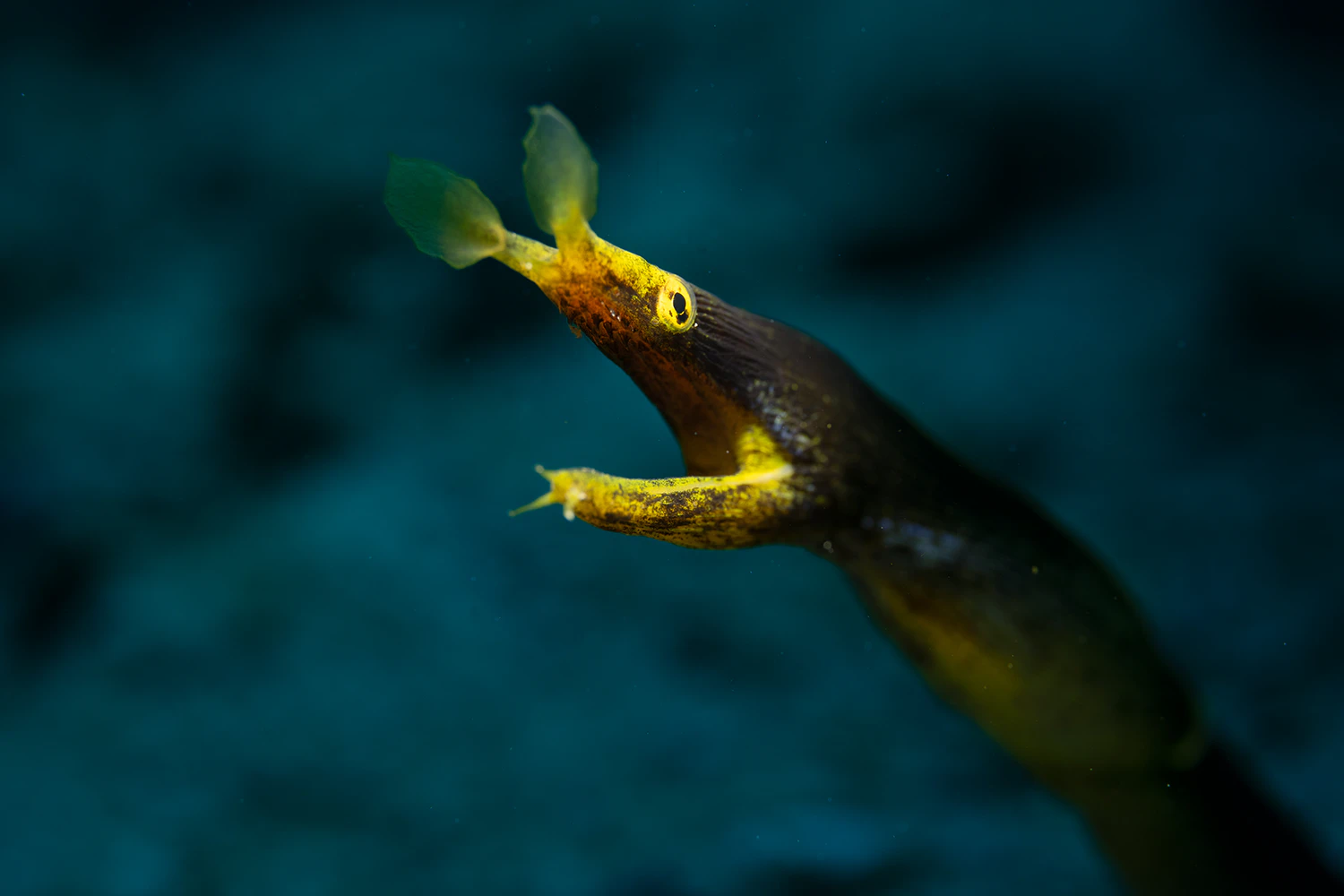
| Camera : Nikon Z8 |
| Lens : Z105mm |
| F : 11.0 |
| SS : 1/160 |
| ISO : 160 |
| Strobe : Single strobe with snoot, Full, -2.0EV |
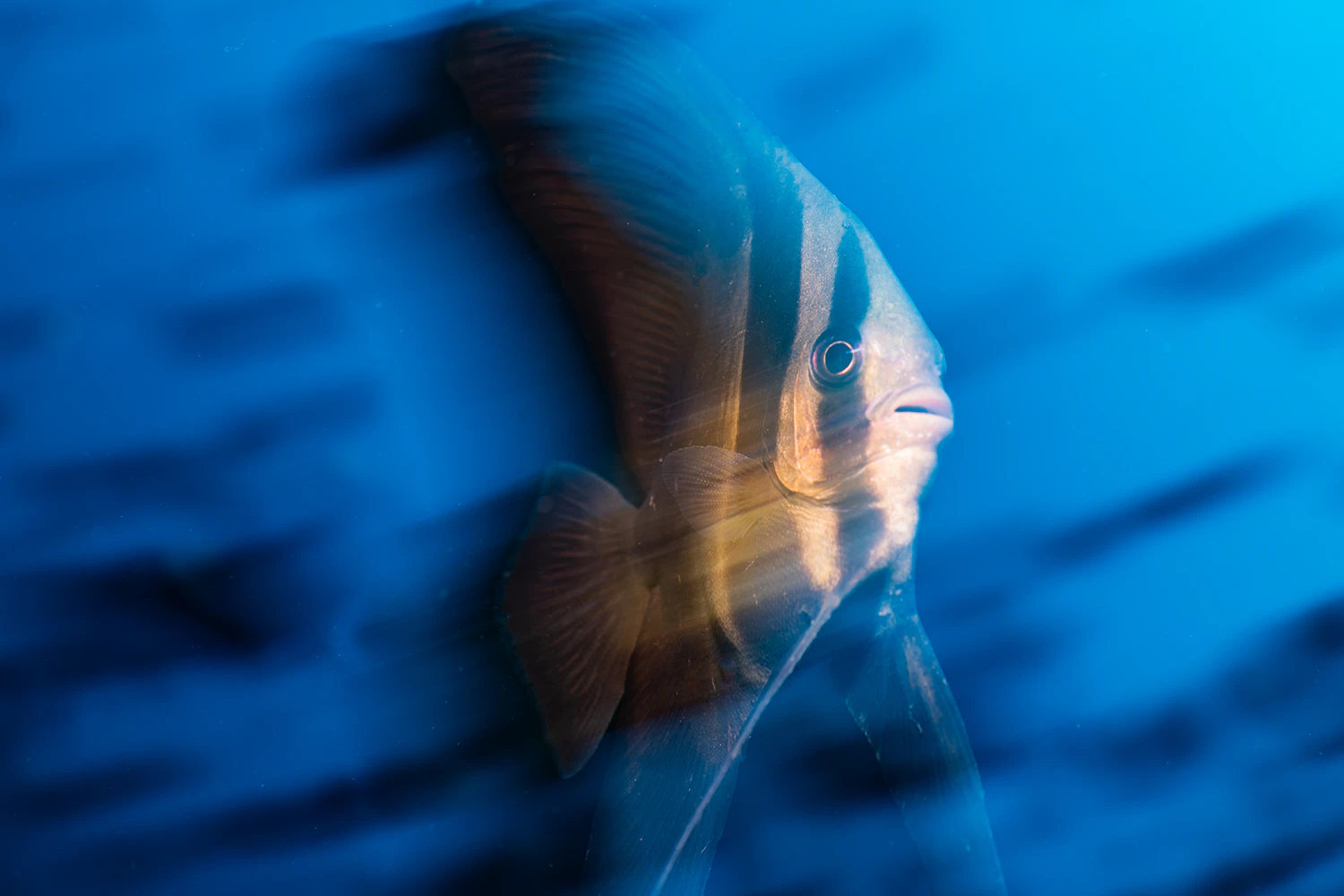
| Camera : Nikon Z8 |
| Lens : F105mm + MFO-3 |
| F : 6.3 |
| SS : 1/13 |
| ISO : 100 |
| Strobe : Single strobe with dome diffuser, -2.5EV |
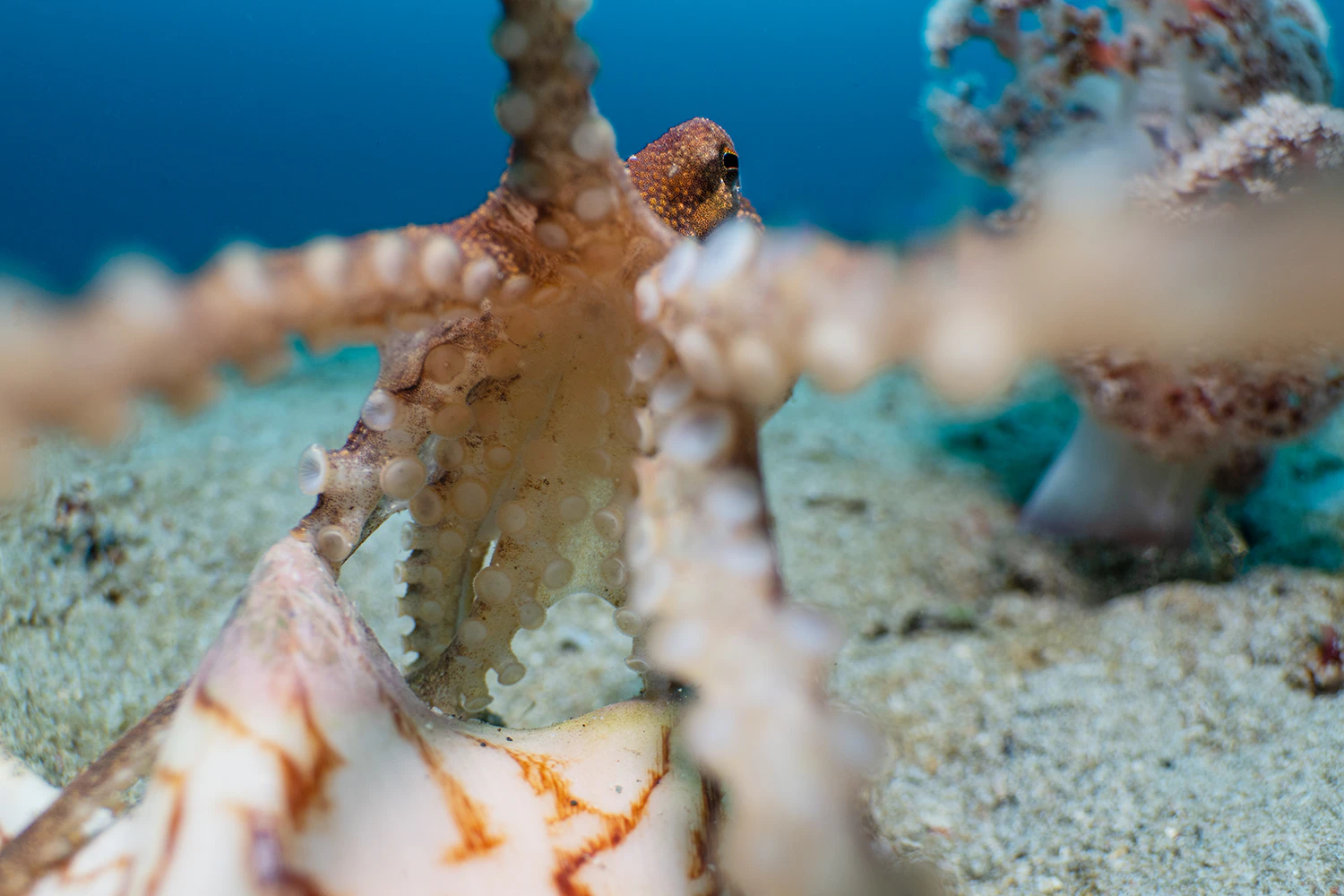
| Camera : Nikon Z8 |
| Lens : F105mm + EMWL160° |
| F : 13 |
| SS : 1/50 |
| ISO : 250 |
| Strobe : Single strobe with dome diffuser, -3.5EV |
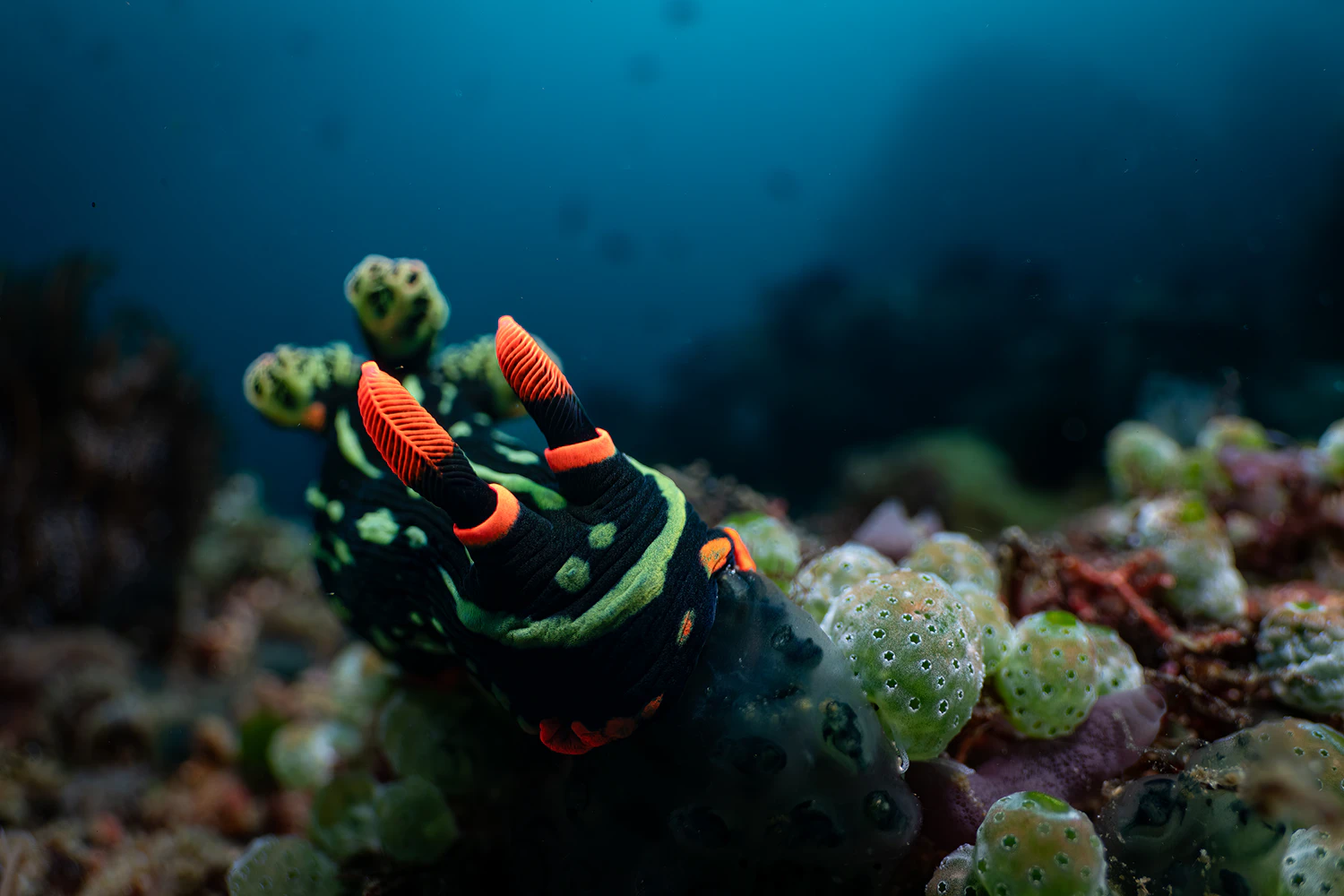
| Camera : Nikon Z8 |
| Lens : F105mm |
| F : 14 |
| SS : 1/40 |
| ISO : 320 |
| Strobe : Single strobe with dome diffuser, -2.5EV |
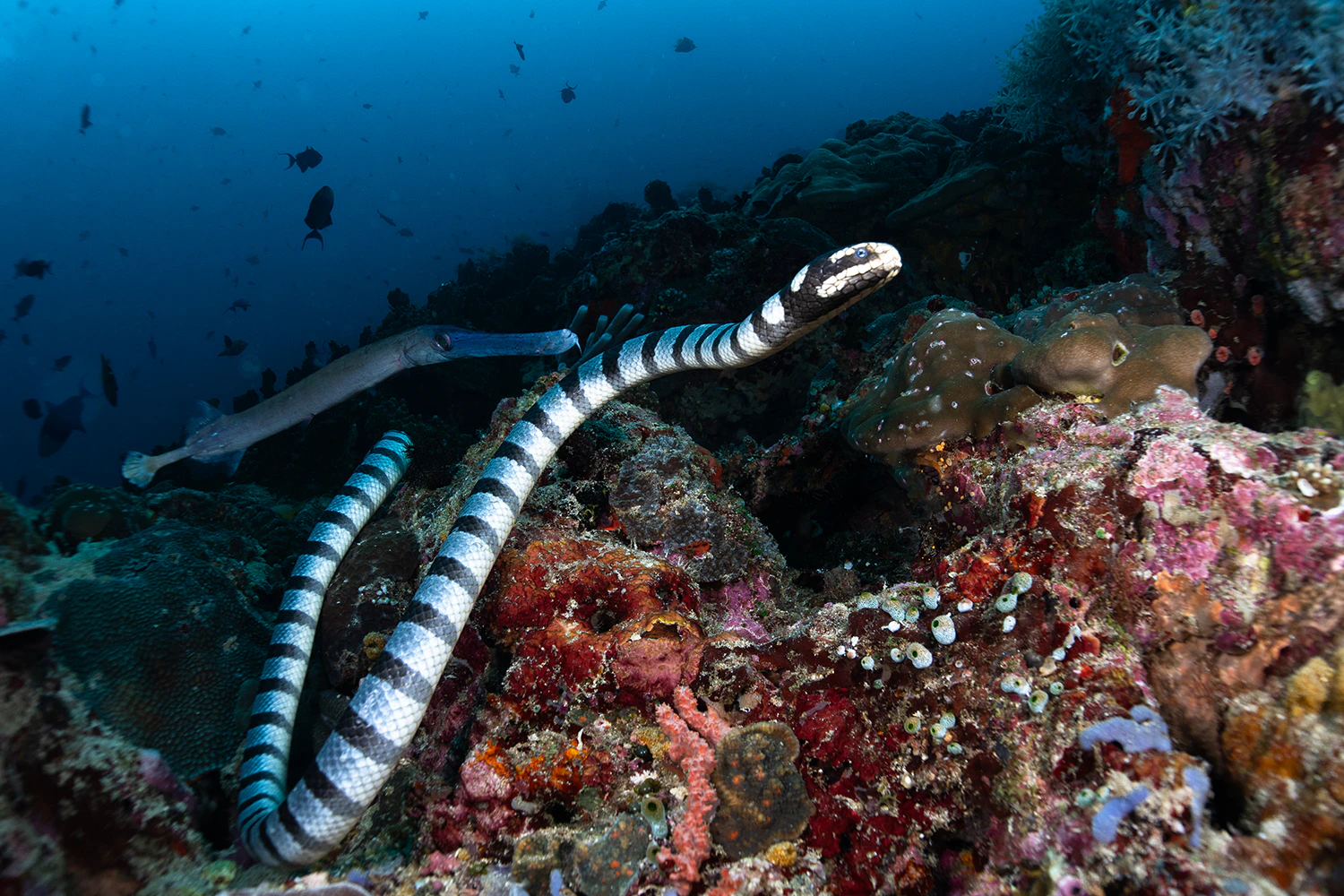
| Camera : Nikon Z8 |
| Lens : Nikonos RS-13mm |
| F : 7.1 |
| SS : 1/160 |
| ISO : 320 |
| Strobe : Dual strobes with dome diffuser, -3.5EV, burst at 5 frames per second |
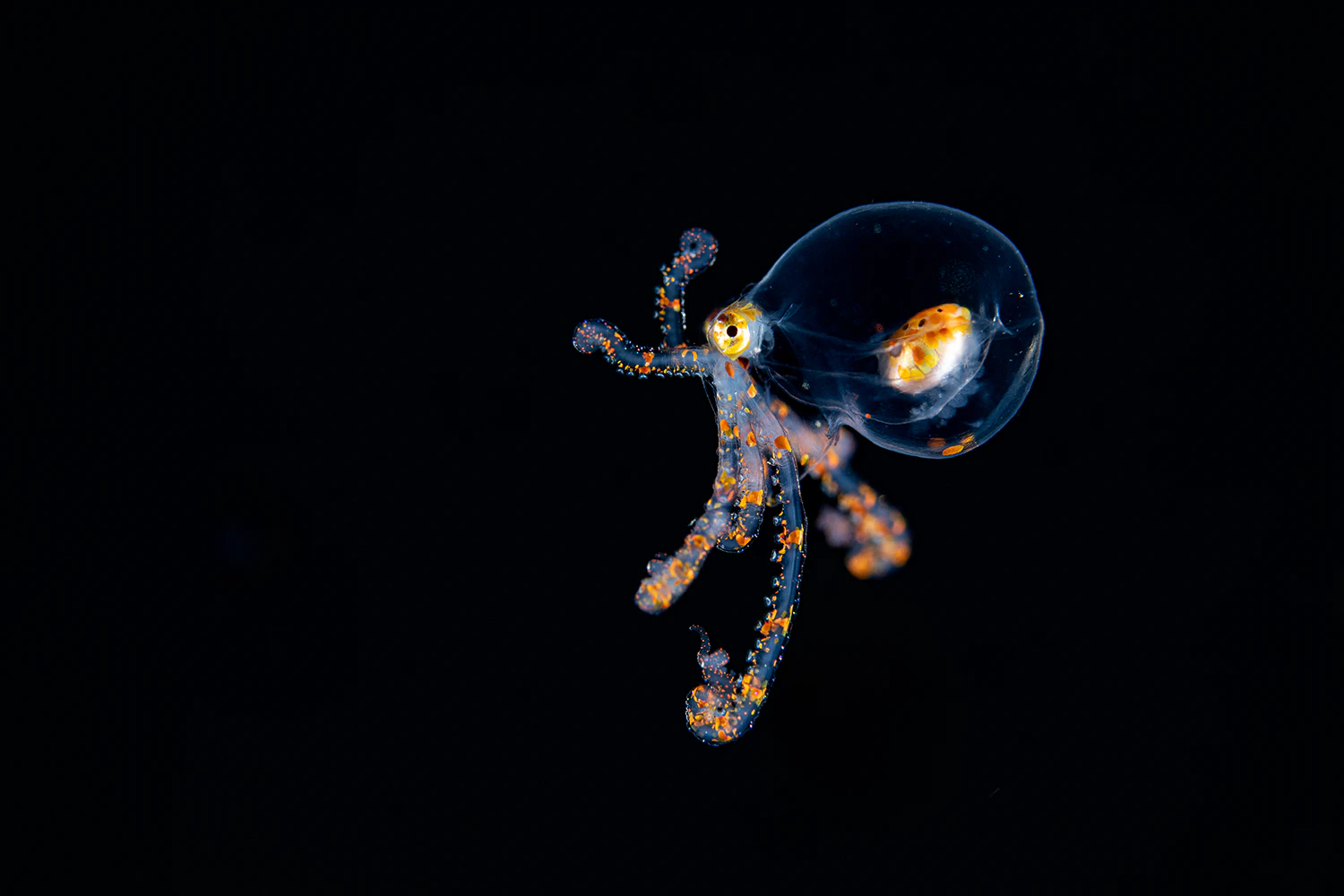
| Camera : Nikon D850 |
| Lens : 60mm |
| F : 14 |
| SS : 1/250 |
| ISO : 400 |
| Strobe : Dual strobes with dome diffuser, -3.5EV |
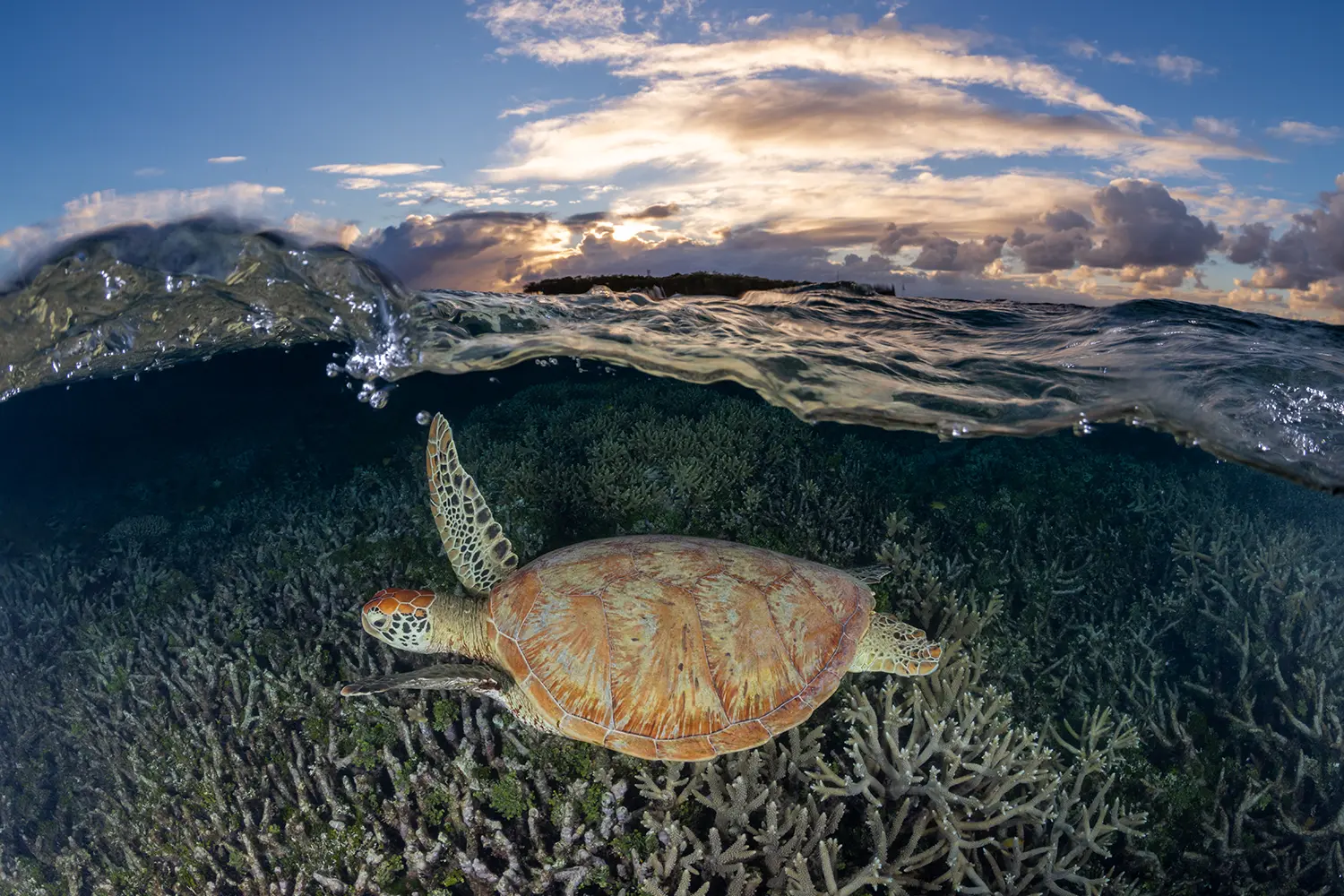
| Camera : Canon EOS R5 Mark II |
| Lens : RF 7–14mm F2.8–3.5L Fisheye STM @ 14mm |
| Housing : SEA&SEA MDX-R5II |
| Port : 12-inch dome port |
| F : 14 |
| SS : 1/60 |
| ISO : 100 |
| Strobe : Dual YS-D130R Pro |
| Strobe : Heron Island, Queensland, Australia |
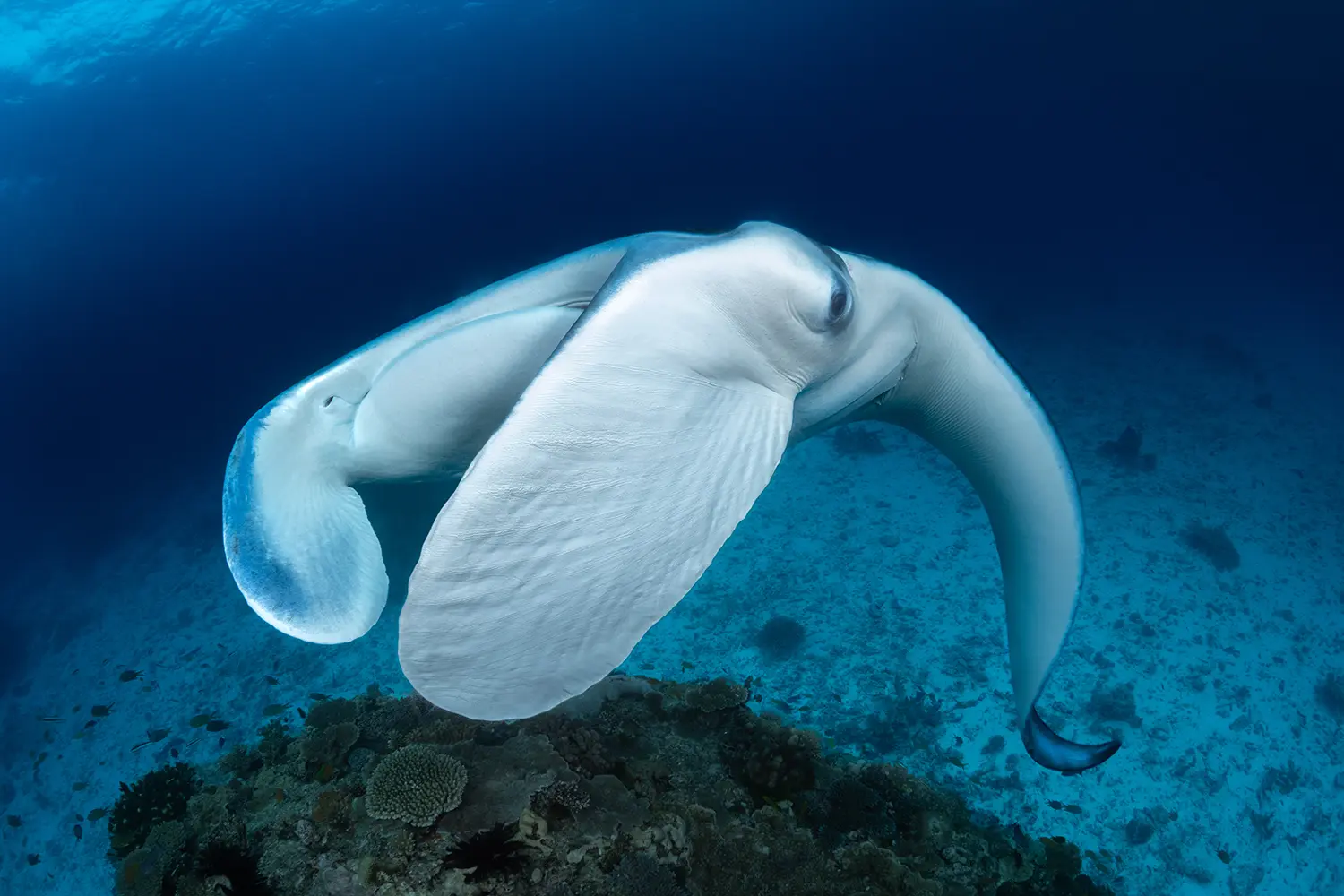
| Camera : Canon EOS R5 Mark II |
| Lens : RF 7–14mm F2.8–3.5L Fisheye STM @ 14mm |
| Housing : SEA&SEA MDX-R5II |
| Port : 8-inch dome port |
| F : 13 |
| SS : 1/200 |
| ISO : 400 |
| Strobe : Dual YS-D130R Pro |
| Strobe : Lighthouse Bommie, Lady Elliot Island, Queensland, Australia |
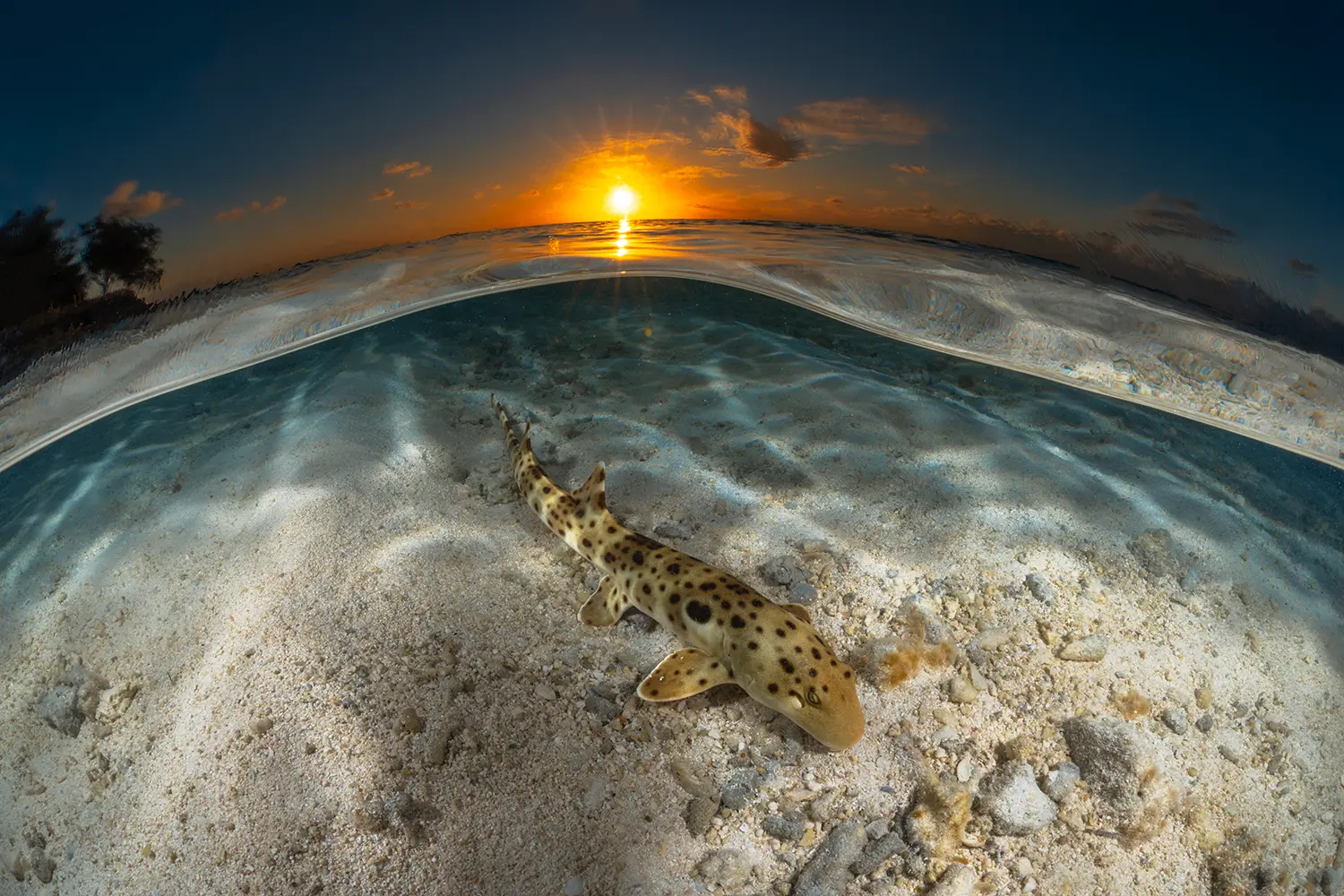
| Camera : Canon EOS R5 Mark II |
| Lens : RF 7–14mm F2.8–3.5L Fisheye STM @ 14mm |
| Housing : SEA&SEA MDX-R5II |
| Port : 12-inch dome port |
| F : 22 |
| SS : 1/200 |
| ISO : 100 |
| Strobe : Dual YS-D130R Pro |
| Strobe : Heron Island, Queensland, Australia |
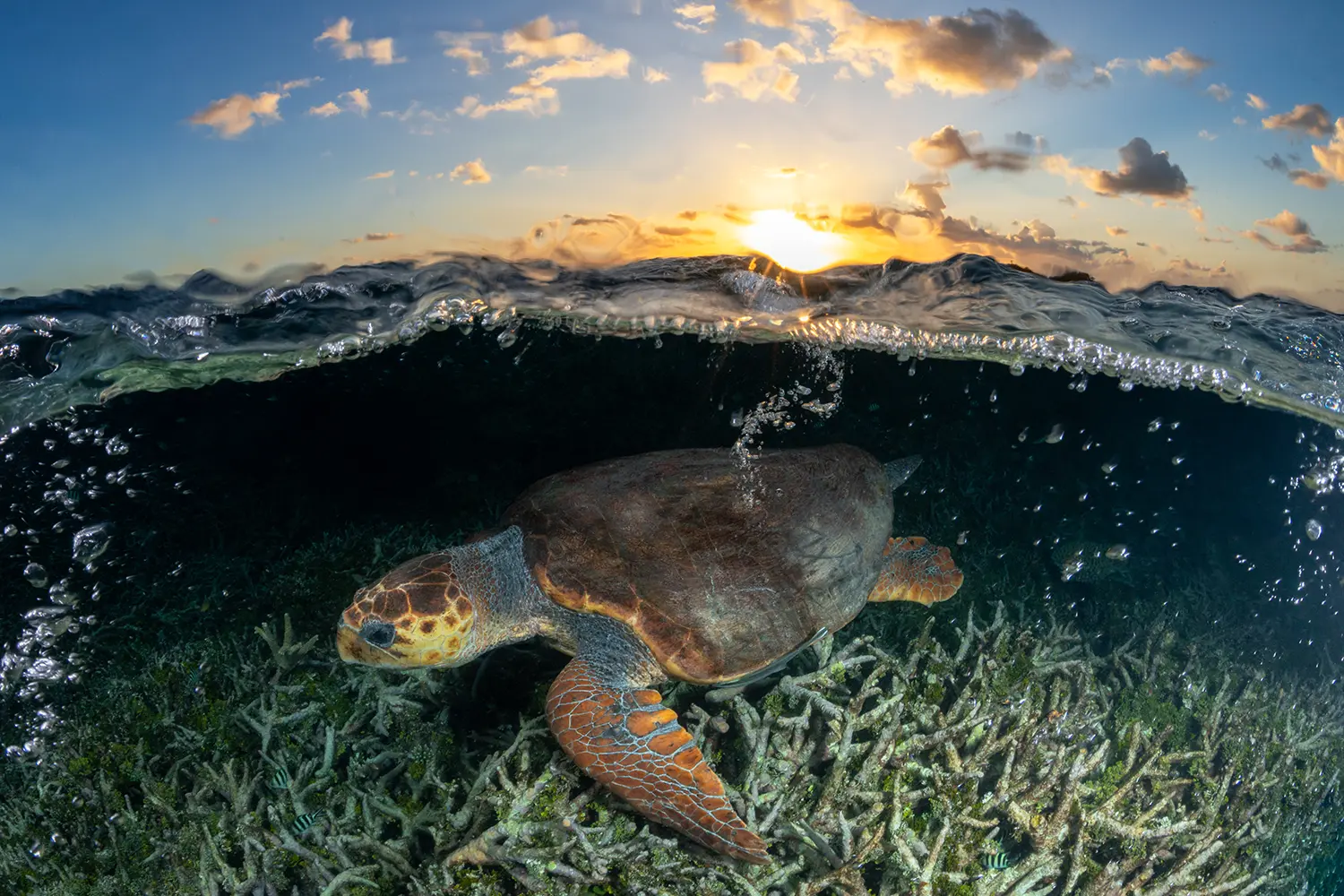
| Camera : Canon EOS R5 Mark II |
| Lens : RF 7–14mm F2.8–3.5L Fisheye STM @ 14mm |
| Housing : SEA&SEA MDX-R5II |
| Port : 12-inch dome port |
| F : 22 |
| SS : 1/100 |
| ISO : 400 |
| Strobe : Dual YS-D130R Pro |
| Strobe : Heron Island, Queensland, Australia |
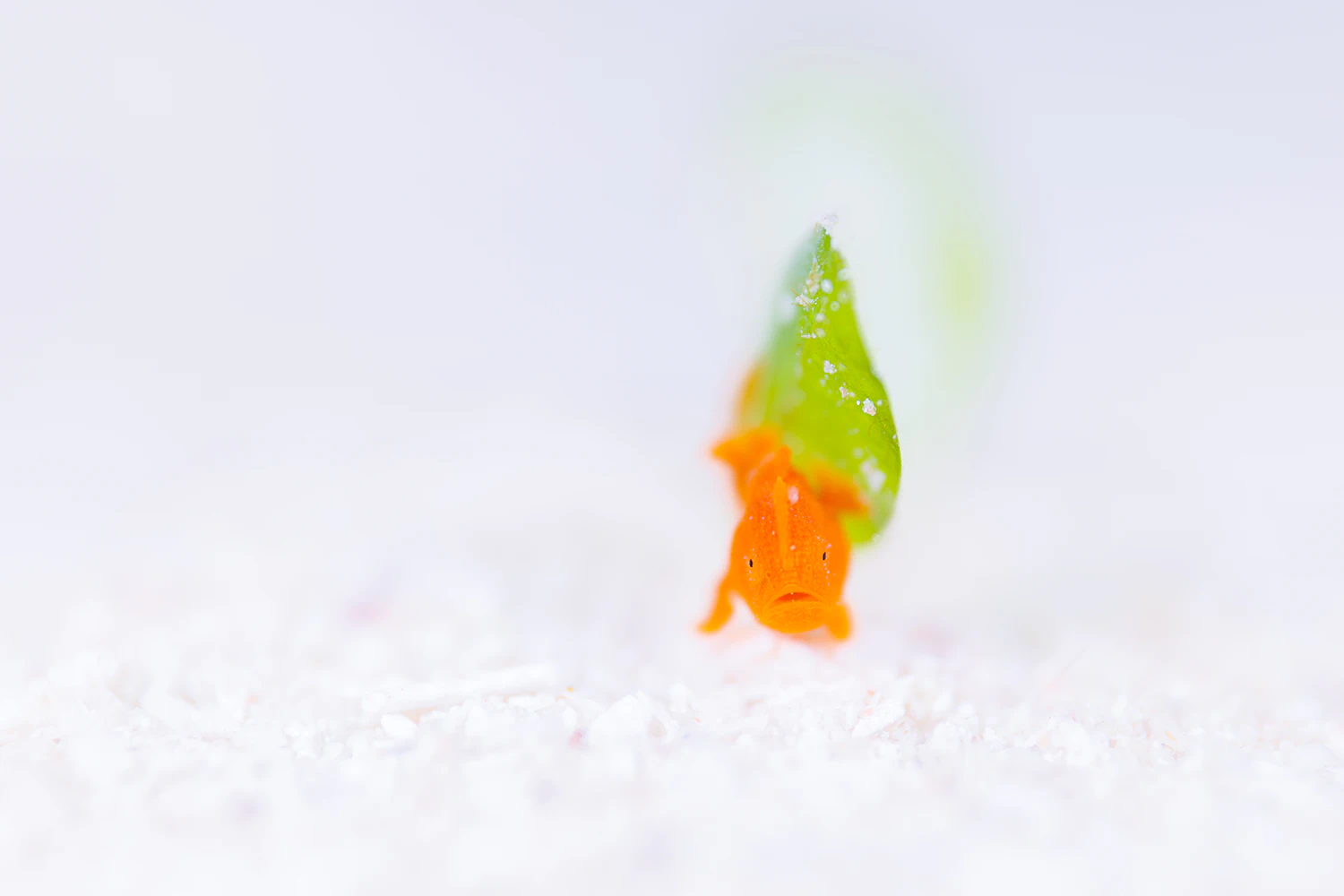
| Camera : Canon EOS R5 MarkⅡ |
| Lens : RF100mm F2.8 L MACRO IS USM + NA SMC-3 |
| F : 4.5 |
| SS : 1/1250 |
| ISO : 100 |
| Strobe : HSS (diffuser) |
| Location : Ishigaki, Okinawa |
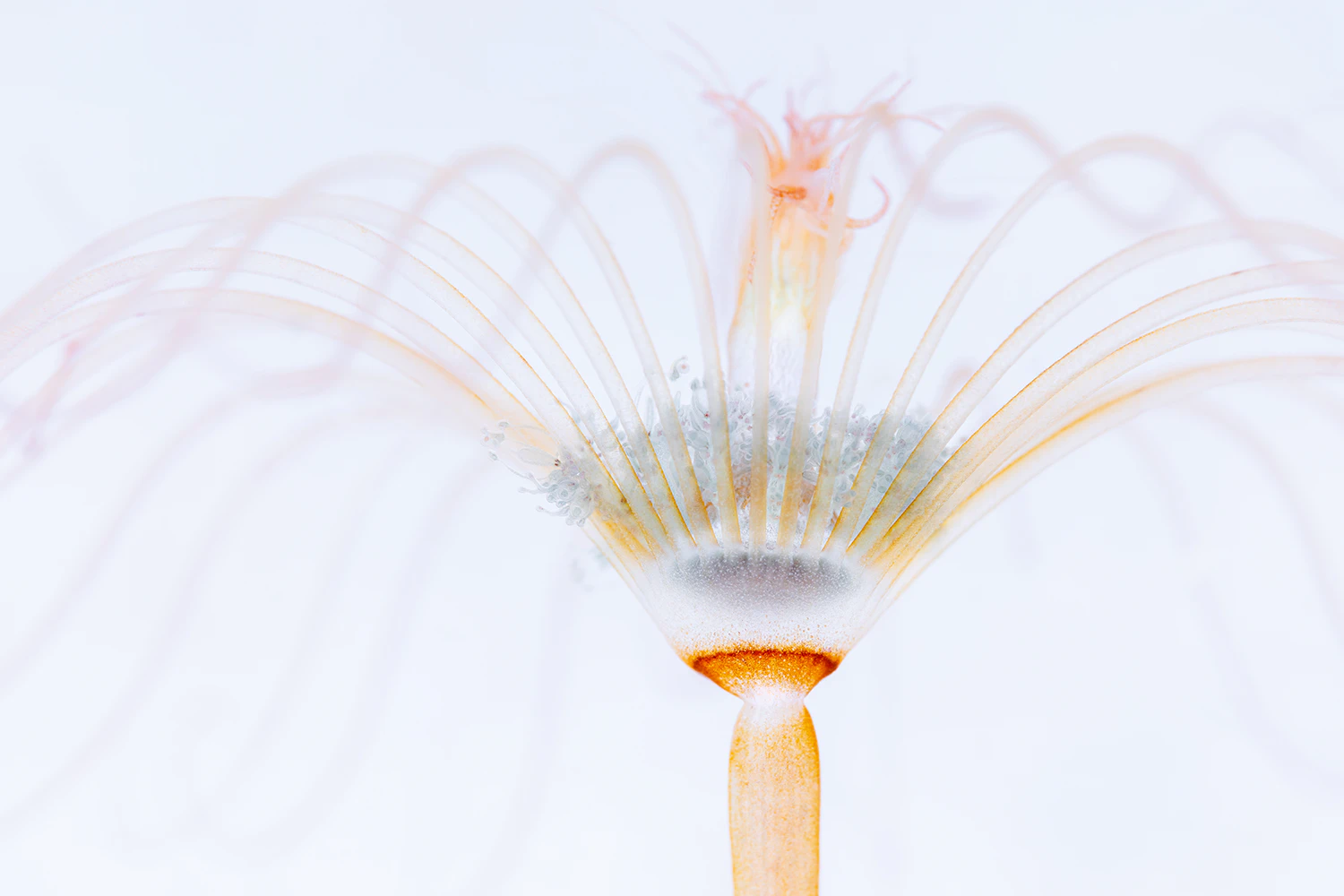
| Camera : Canon EOS R5 MarkⅡ |
| Lens : RF100mm F2.8 L MACRO IS USM + NA SMC-3 |
| F : 16 |
| SS : 1/200 |
| ISO : 100 |
| Strobe : M (diffuser) |
| Location : Ishigaki, Okinawa |
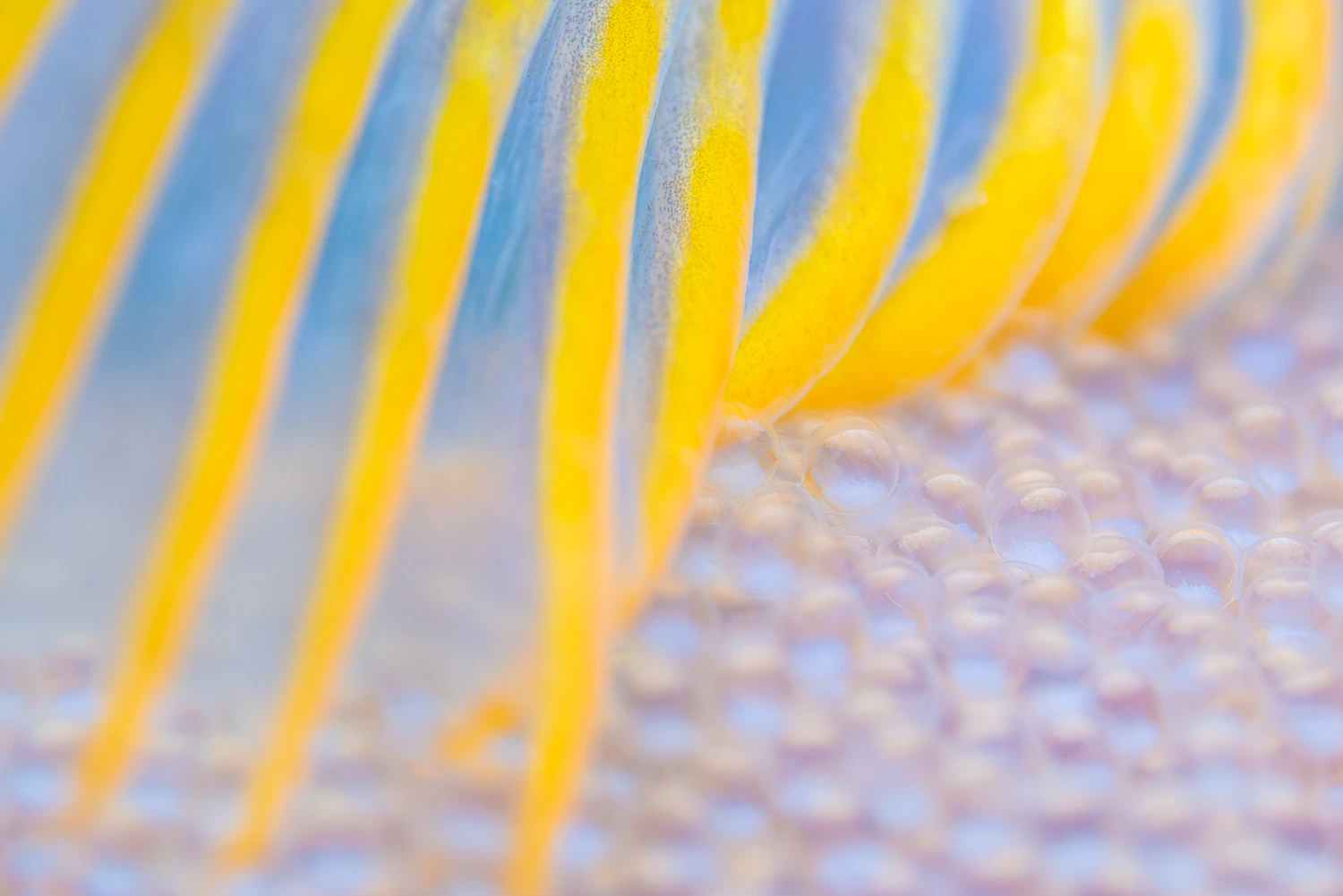
| Camera : Canon EOS R5 MarkⅡ |
| Lens : RF100mm F2.8 L MACRO IS USM + NA MFO-1 |
| F : 8 |
| SS : 1/10 |
| ISO : 100 |
| Strobe : M (diffuser) |
| Location : Onagawa, Miyagi |
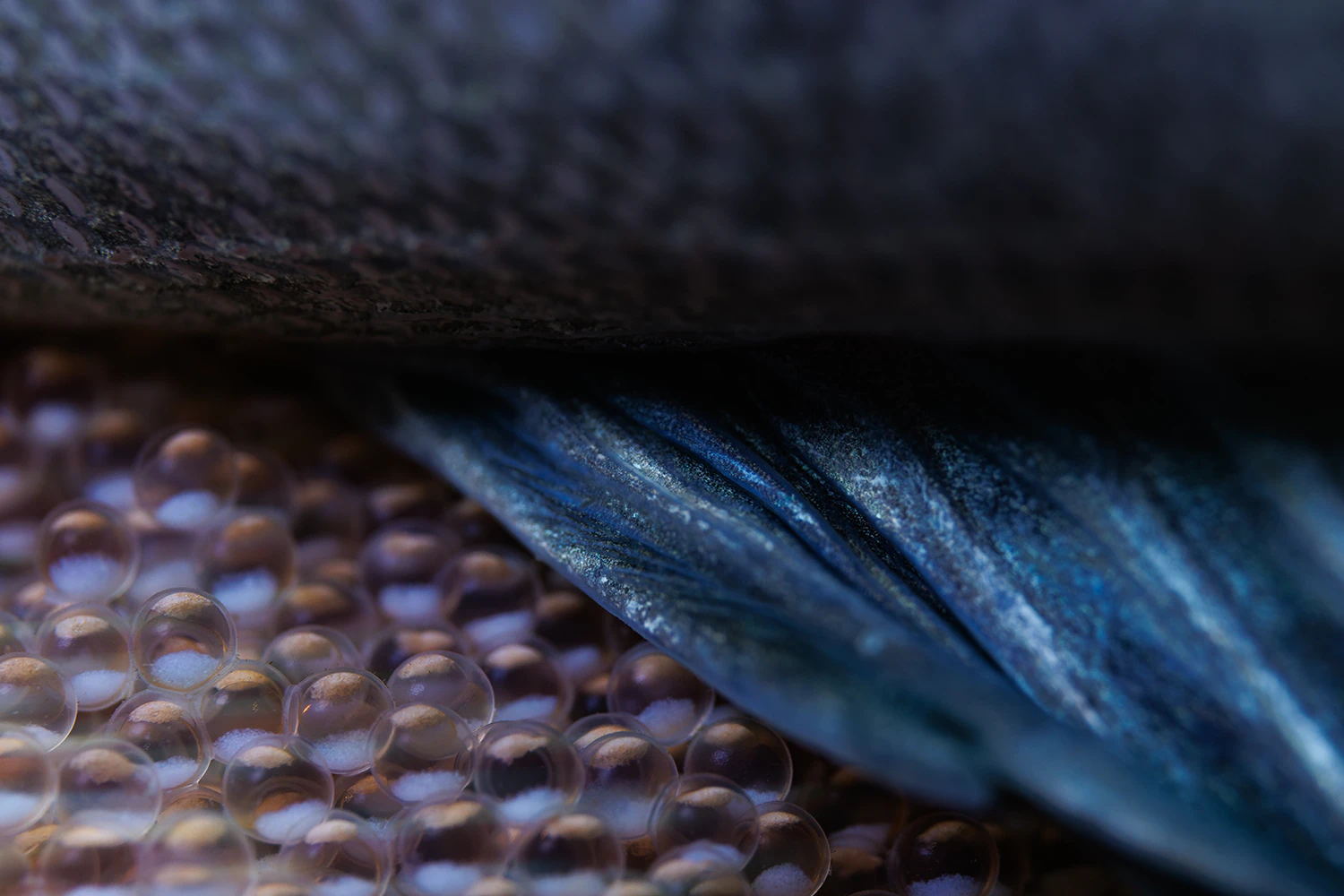
| Camera : Canon EOS R5 MarkⅡ |
| Lens : RF100mm F2.8 L MACRO IS USM + NA MFO-1 |
| F : 8 |
| SS : 1/10 |
| ISO : 100 |
| Strobe : M (diffuser) |
| Location : Onagawa, Miyagi |
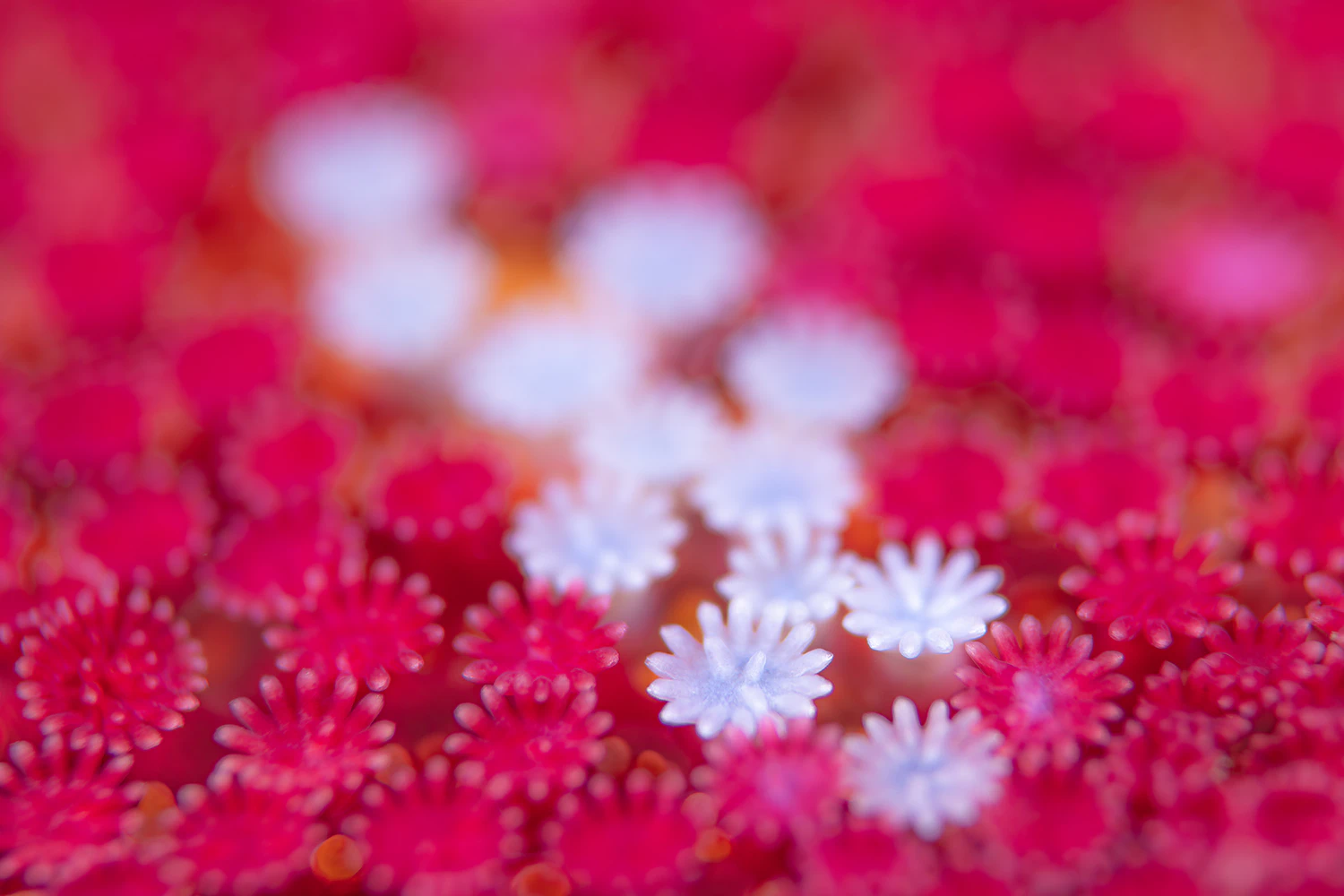
| Camera : Canon EOS R5 MarkⅡ |
| Lens : RF100mm F2.8 L MACRO IS USM + NA SMC-3 |
| F : 4.5 |
| SS : 1/250 |
| ISO : 100 |
| Strobe : M (diffuser) |
| Location : Onagawa, Miyagi |
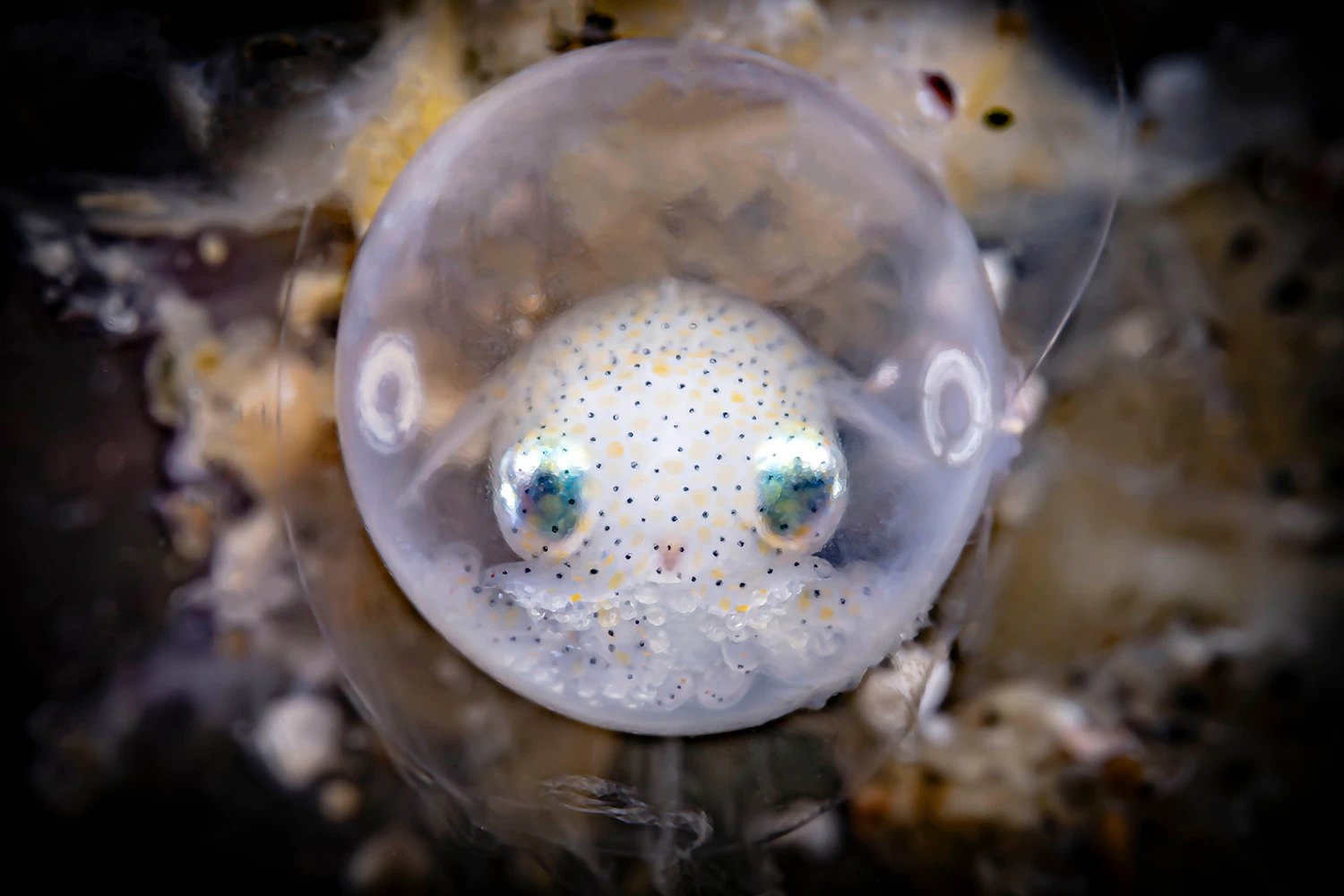
| Camera : Canon EOS R5 |
| Lens : RF100mm F2.8 L MACRO IS USM |
| F : 22 |
| SS : 1/200 |
| ISO : 100 |
| Strobe : M |
| Location : Hakodate, Hokkaido |
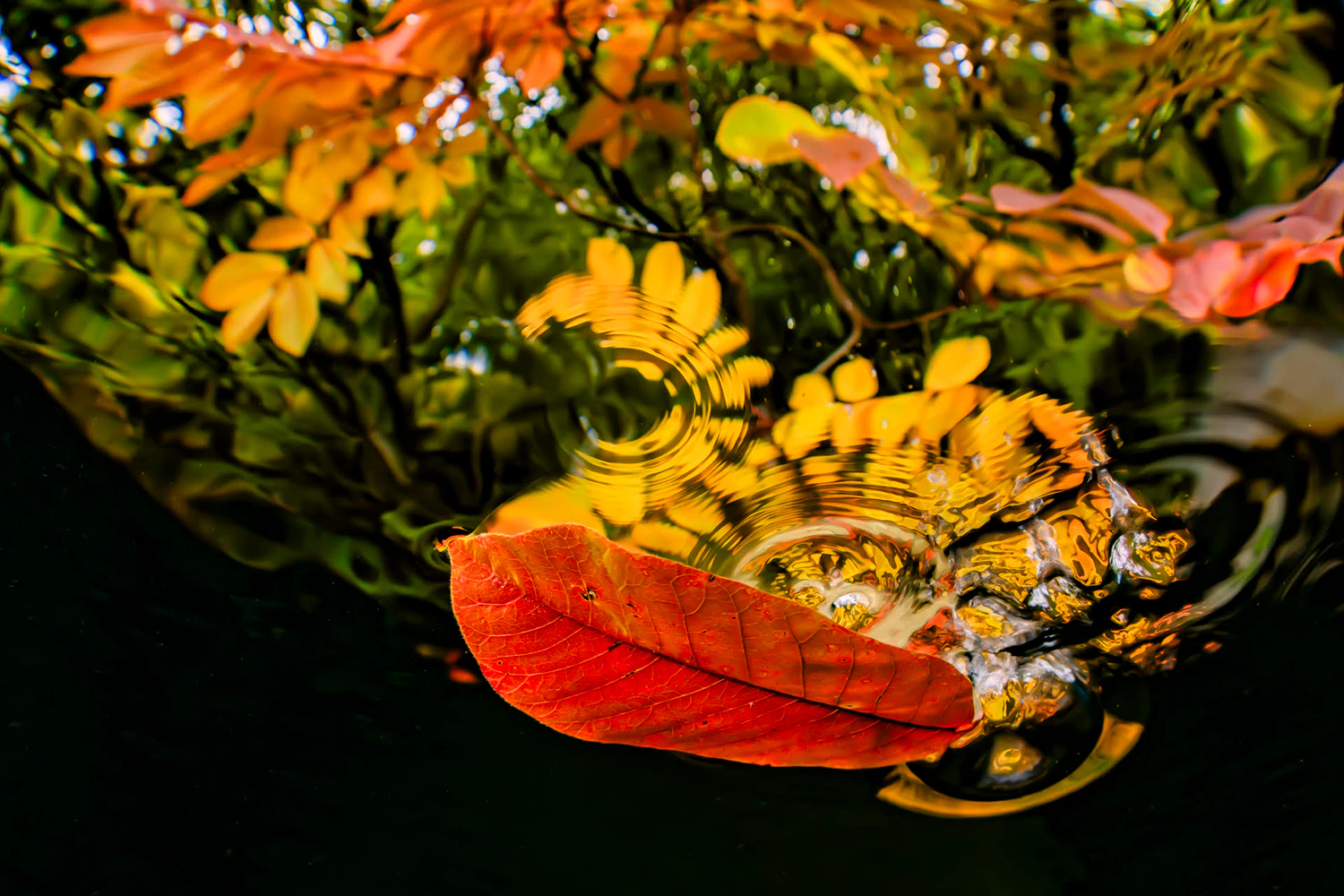
| Camera : Canon EOS R5 |
| Lens : EF28-80mmUSM + NA N120/N100 Wide Angle Conversion Port ×0.36 |
| F : 8 |
| SS : 1/125 |
| ISO : 640 |
| Strobe : M |
| Location : Toyako, Hokkaido |
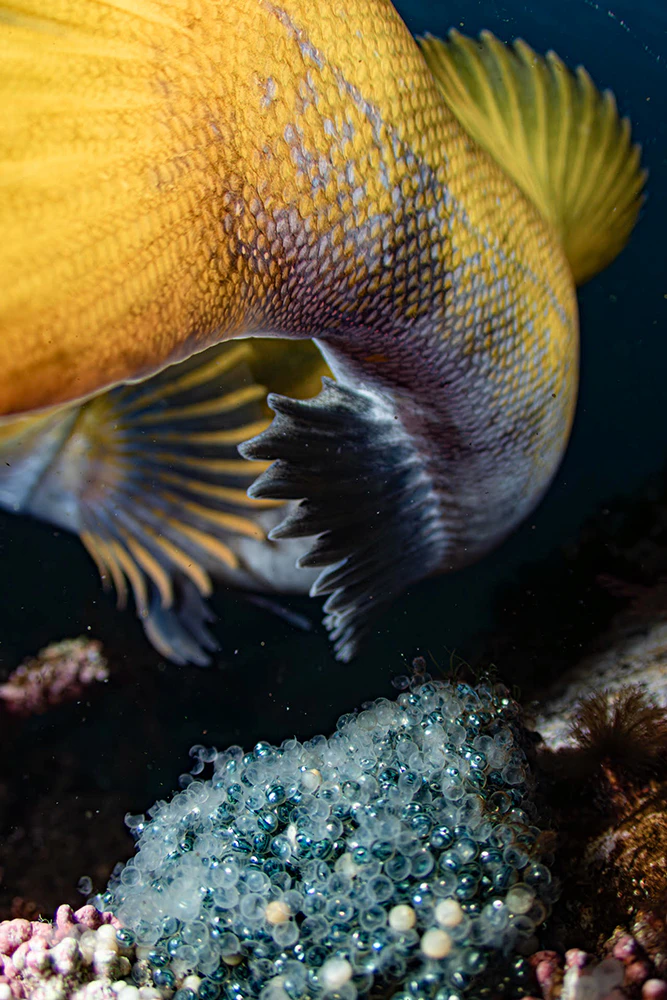
| Camera : Canon EOS R5 |
| Lens : RF100mm F2.8L MACRO IS USM + NA マクロワイドコンバージョンLens EMWL |
| F : 8 |
| SS : 1/200 |
| ISO : 100 |
| Strobe : M |
| Location : Hakodate, Hokkaido |
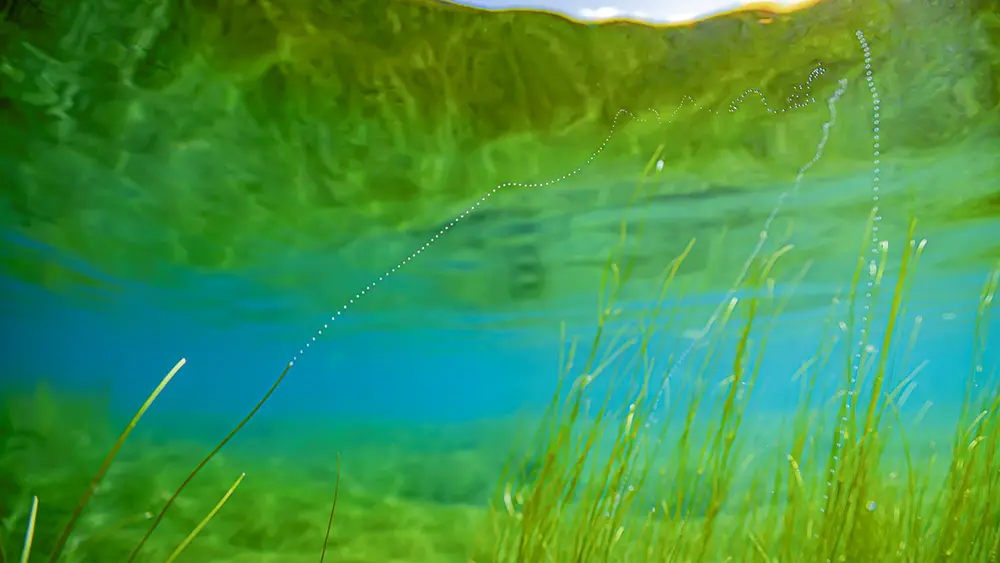
| Camera : - |
| Lens : - |
| F : - |
| SS : - |
| ISO : - |
| Strobe : HSS |
| Location : - |
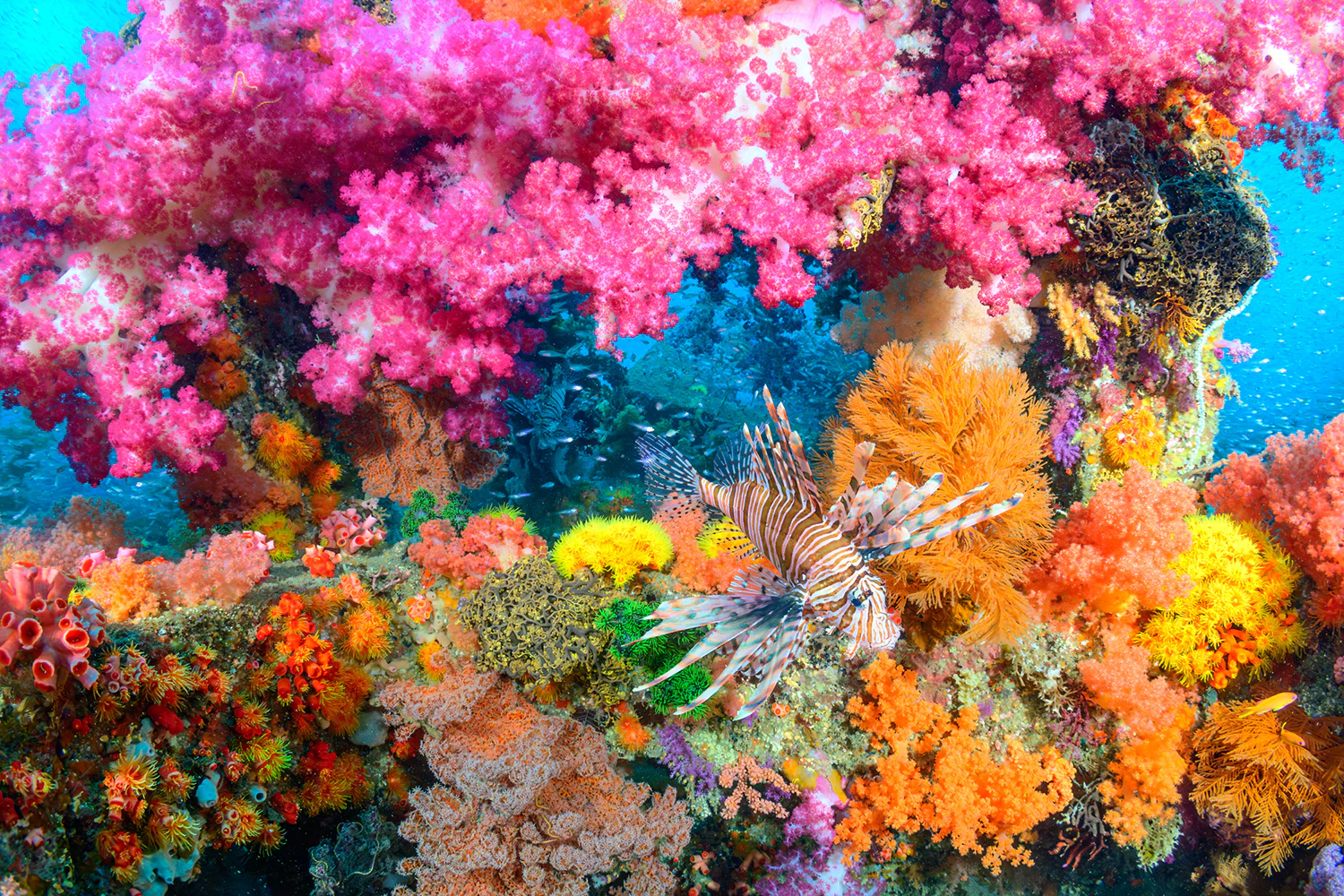
| Camera : Nikon Z8 |
| Lens : NIKKOR Z 105mm f/2.8 |
| F : 9.0 |
| SS : 1/40 |
| ISO : 1600 |
| Strobe : M (diffuser) |
| Location : Toi, Shizuoka |
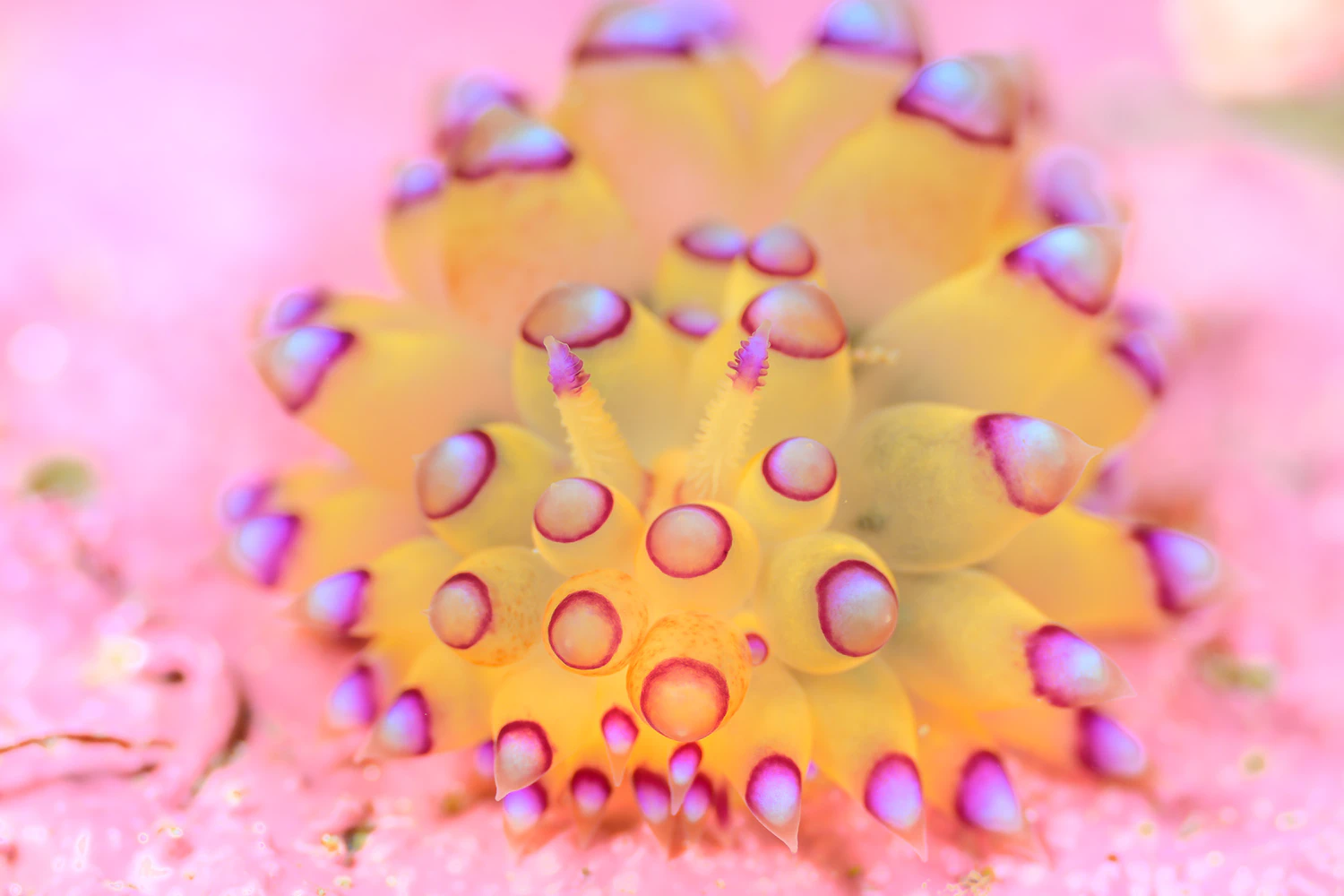
| Camera : Nikon Z8 |
| Lens : NIKKOR Z 105mm f/2.8 |
| F : 9.0 |
| SS : 1/250 |
| ISO : 100 |
| Strobe : M (diffuser) |
| Location : Ida, Shizuoka |
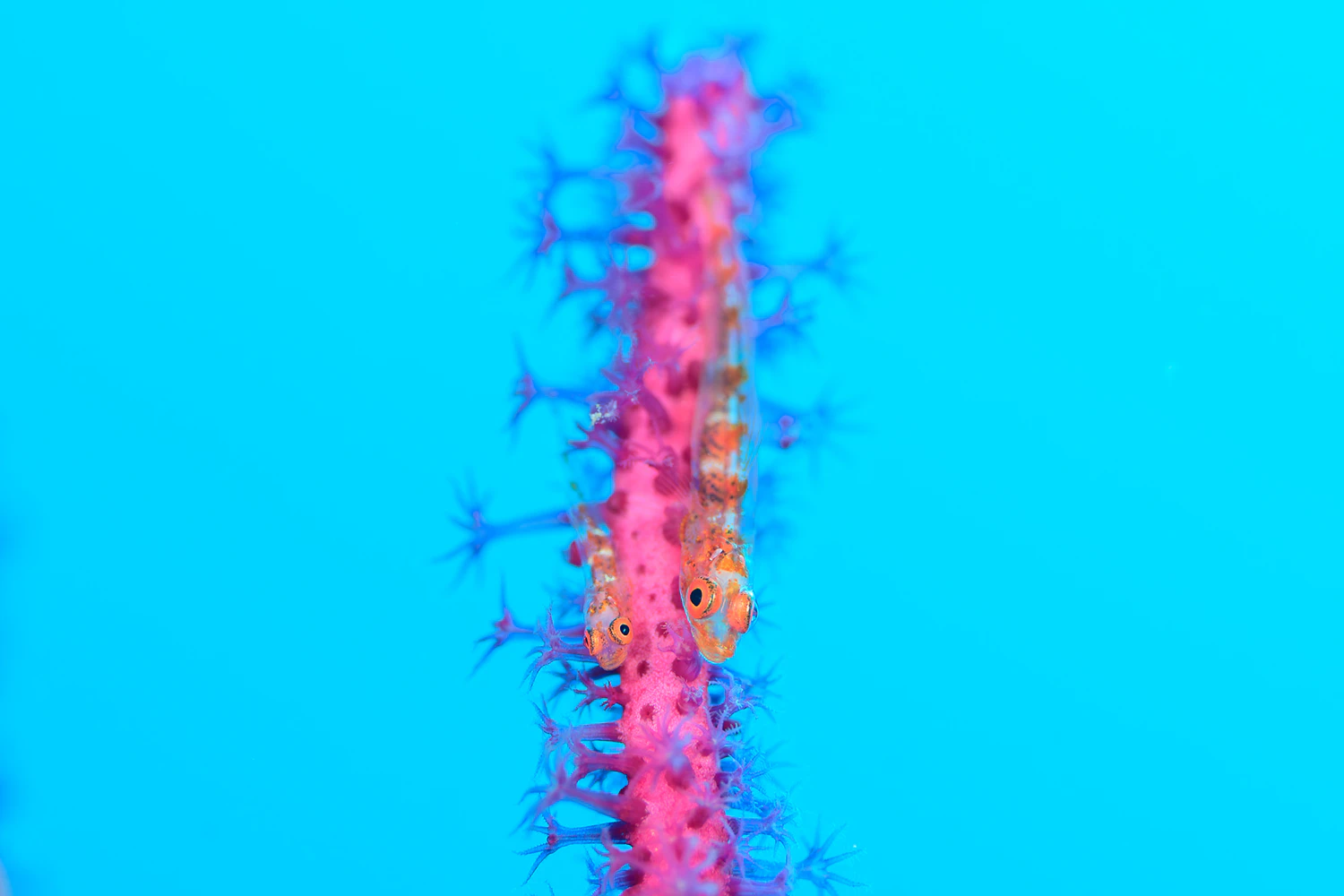
| Camera : Nikon Z8 |
| Lens : NIKKOR Z 105mm f/2.8 |
| F : 7.1 |
| SS : 1/200 |
| ISO : 500 |
| Strobe : M (diffuser) |
| Location : Futo, Shizuoka |
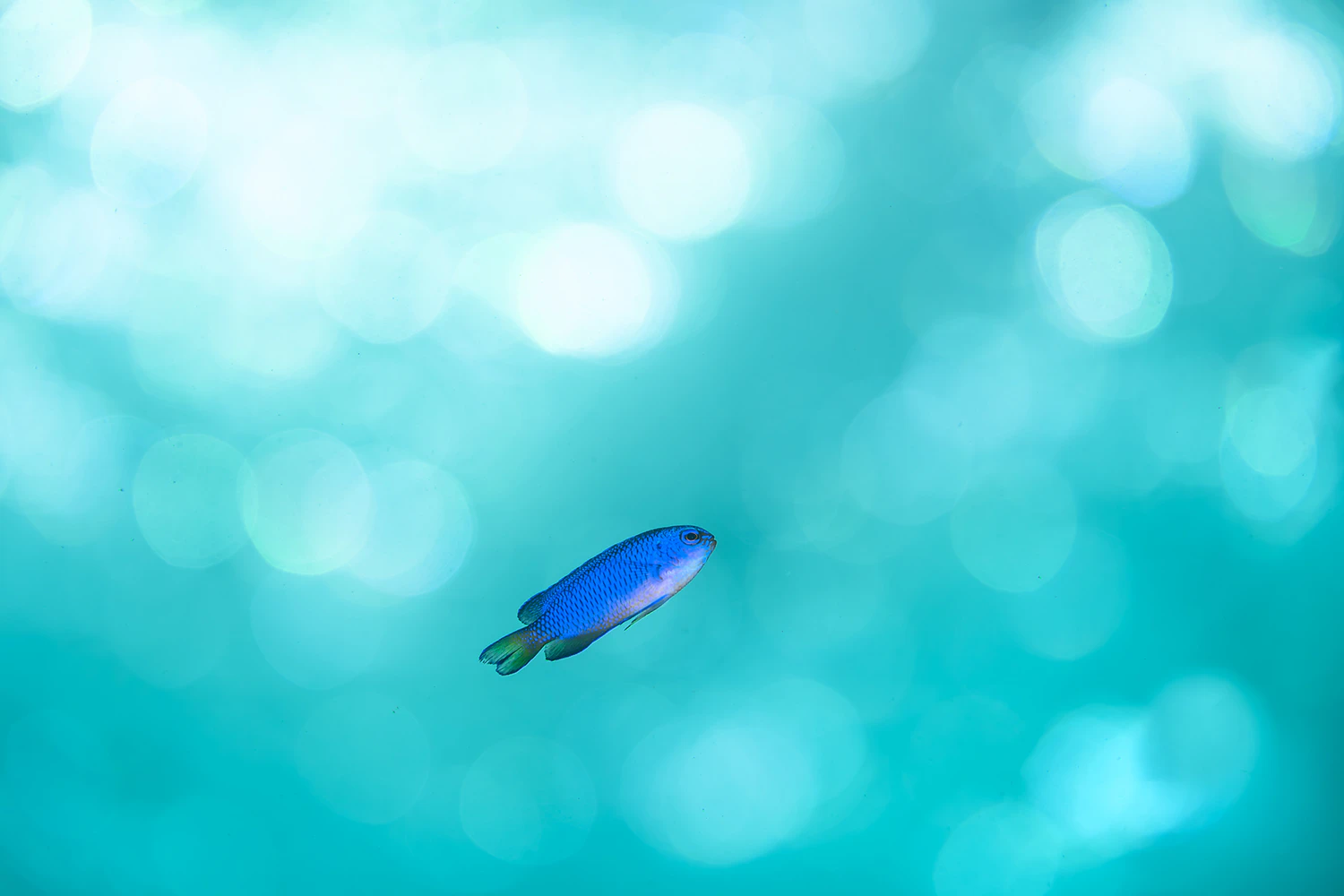
| Camera : Nikon Z8 |
| Lens : NIKKOR Z 105mm f/2.8 |
| F : 3.5 |
| SS : 1/6400 |
| ISO : 320 |
| Strobe : HSS |
| Location : Osezaki, Shizuoka |
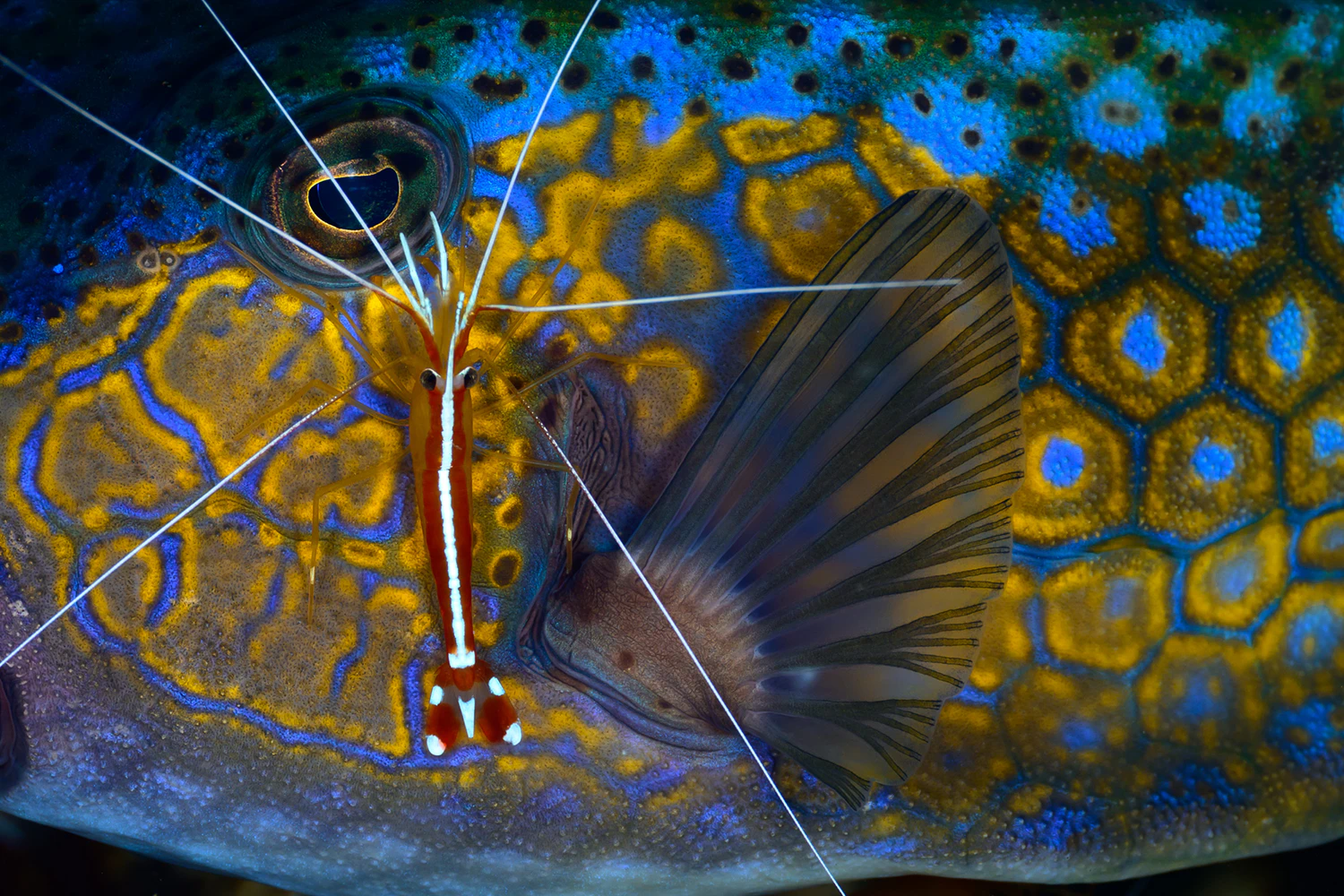
| Camera : Nikon Z8 |
| Lens : NIKKOR Z 105mm f/2.8 |
| F : 16 |
| SS : 1/250 |
| ISO : 100 |
| Strobe : M |
| Location : Osezaki, Shizuoka |
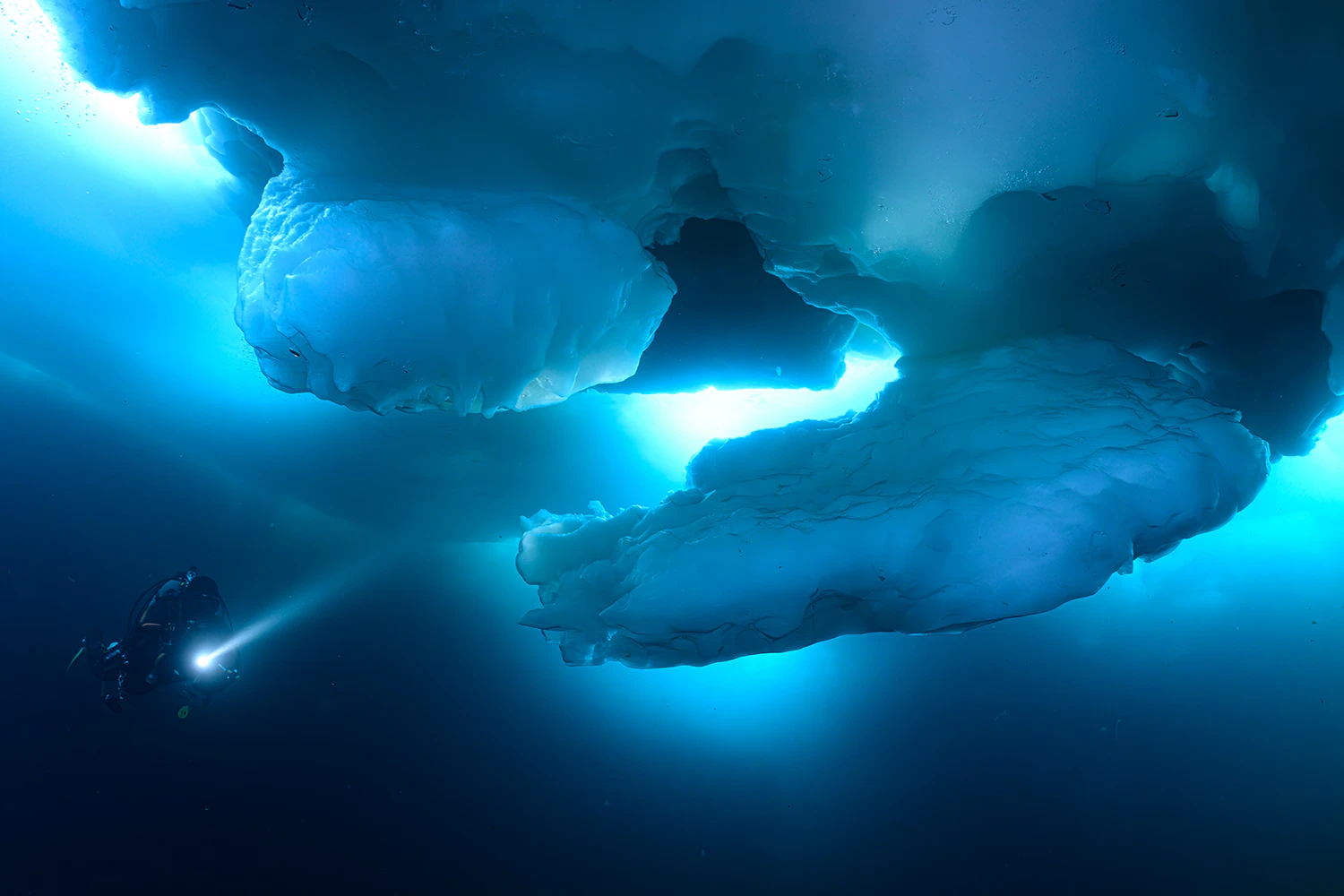
| Camera : Nikon Z8 |
| Lens : NIKKOR Z 28-75mm f/2.8 |
| F : 7.1 |
| SS : 1/100 |
| ISO : 1250 |
| Strobe : M (dome diffuser) |
| Location : Shiretoko, Hokkaido |
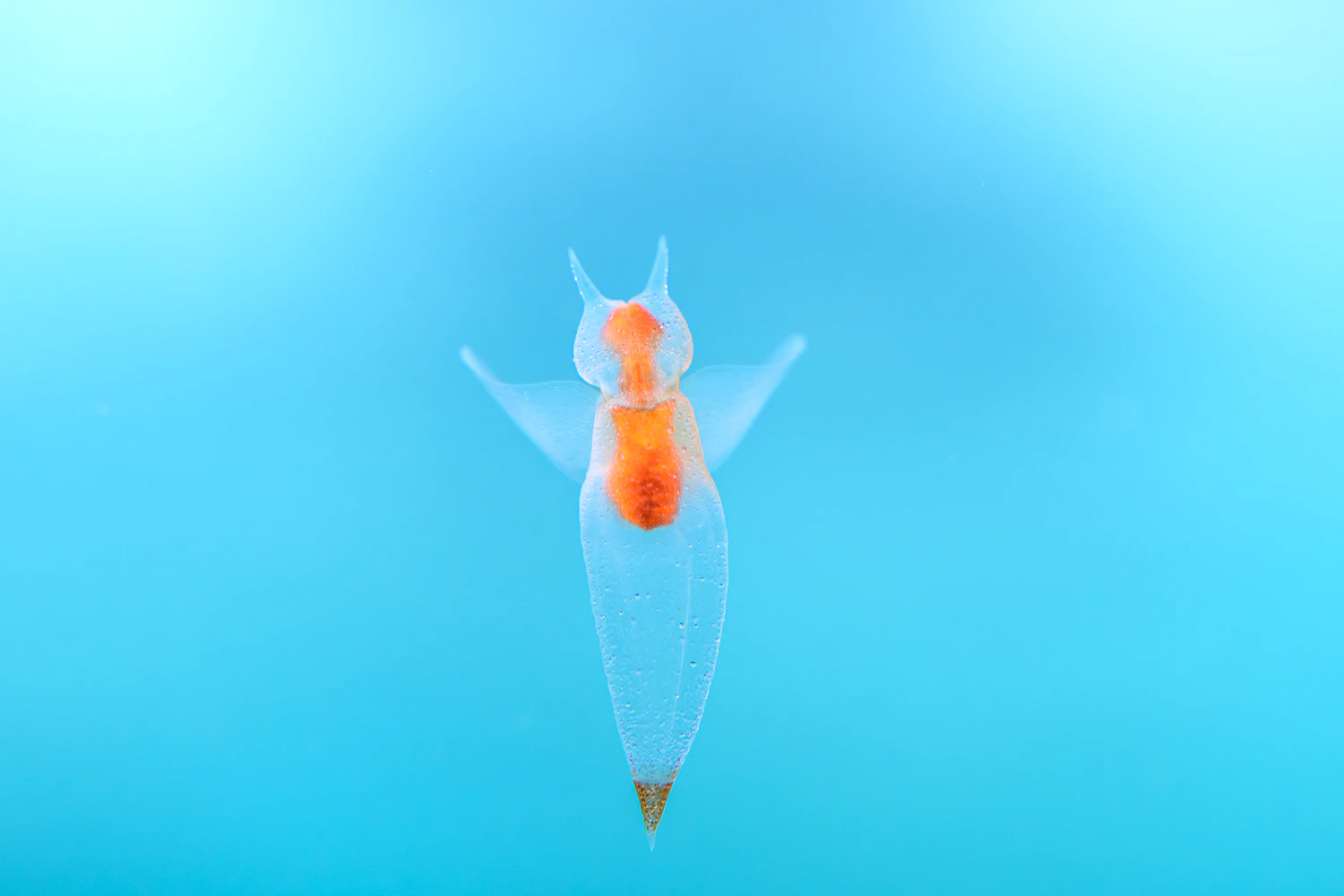
| Camera : Nikon Z8 |
| Lens : NIKKOR Z 105mm f/2.8 |
| F : 9.0 |
| SS : 1/160 |
| ISO : 1000 |
| Strobe : M (diffuser) |
| Location : Shiretoko, Hokkaido |
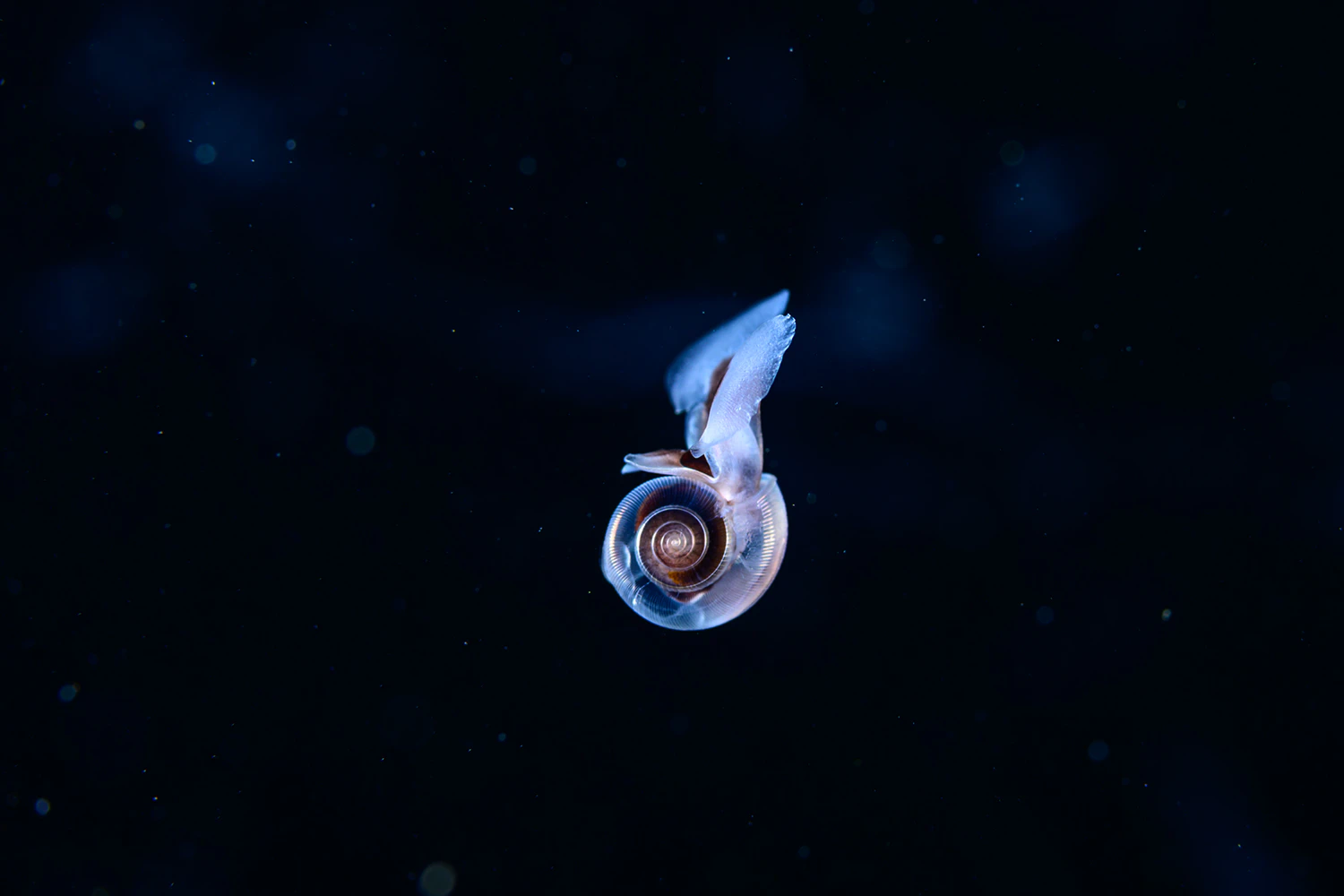
| Camera : Nikon Z8 |
| Lens : AF-S Micro NIKKOR 60mm |
| F : 16 |
| SS : 1/200 |
| ISO : 64 |
| Strobe : M (diffuser) |
| Location : Shiretoko, Hokkaido |
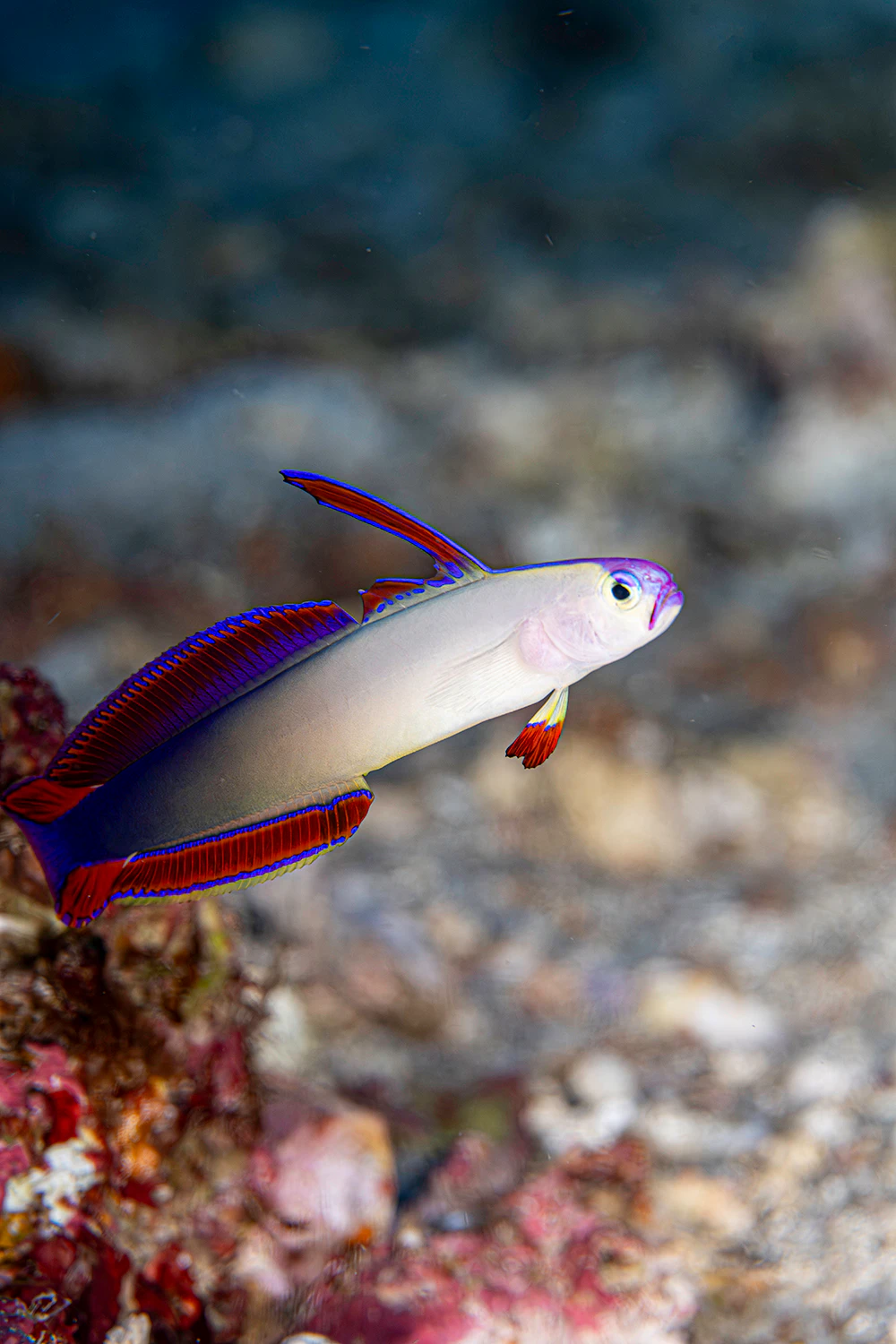
| Camera : SONY A7C II |
| Lens : FE90mm F2.8 Macro G OSS |
| F : 8.0 |
| SS : 1/250 |
| ISO : 640 |
| Strobe : HSS |
| Location : Okinawa |
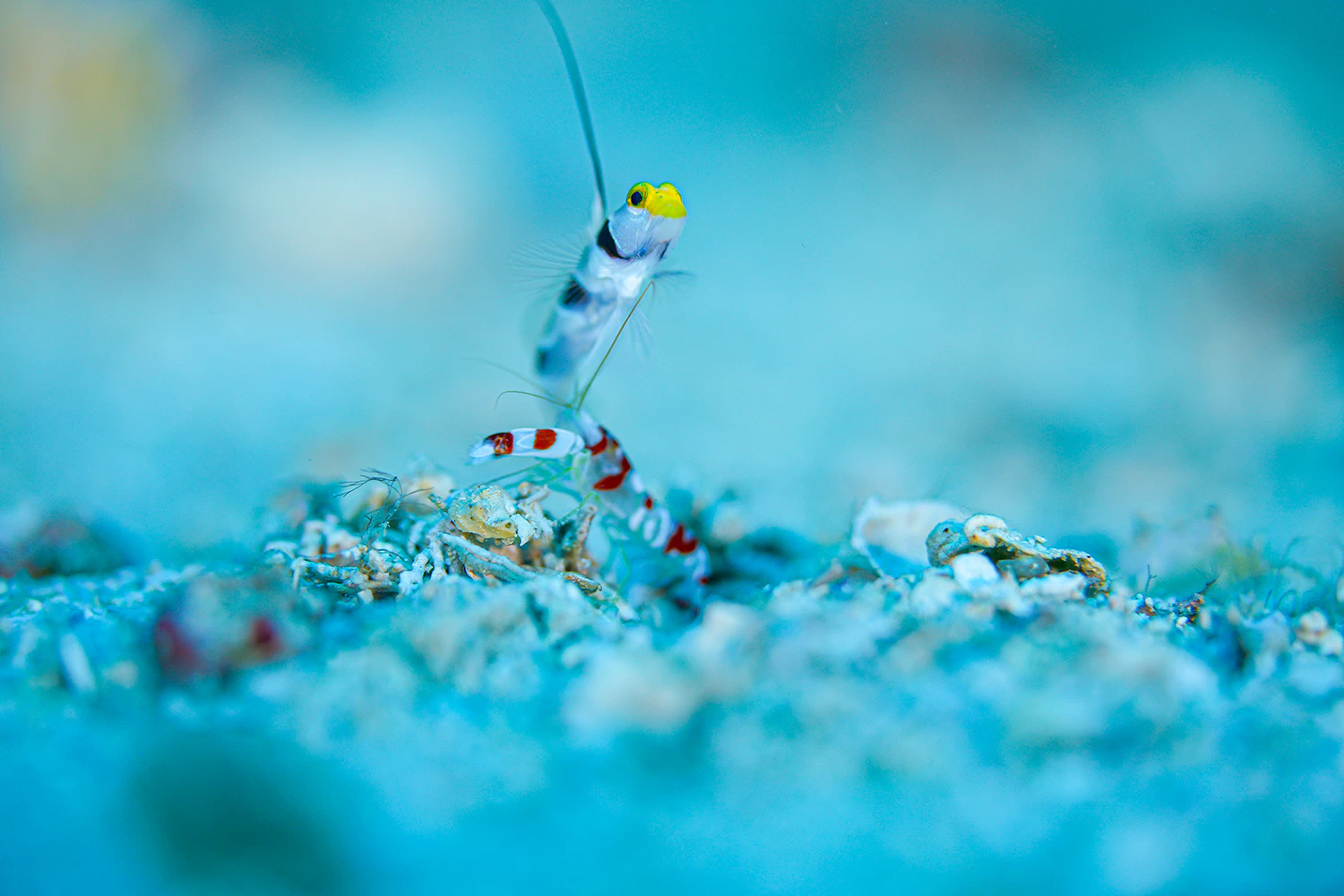
| Camera : SONY A7C II |
| Lens : FE90mm F2.8 Macro G OSS |
| F : 2.8 |
| SS : 1/250 |
| ISO : 100 |
| Strobe : HSS |
| Location : Okinawa |
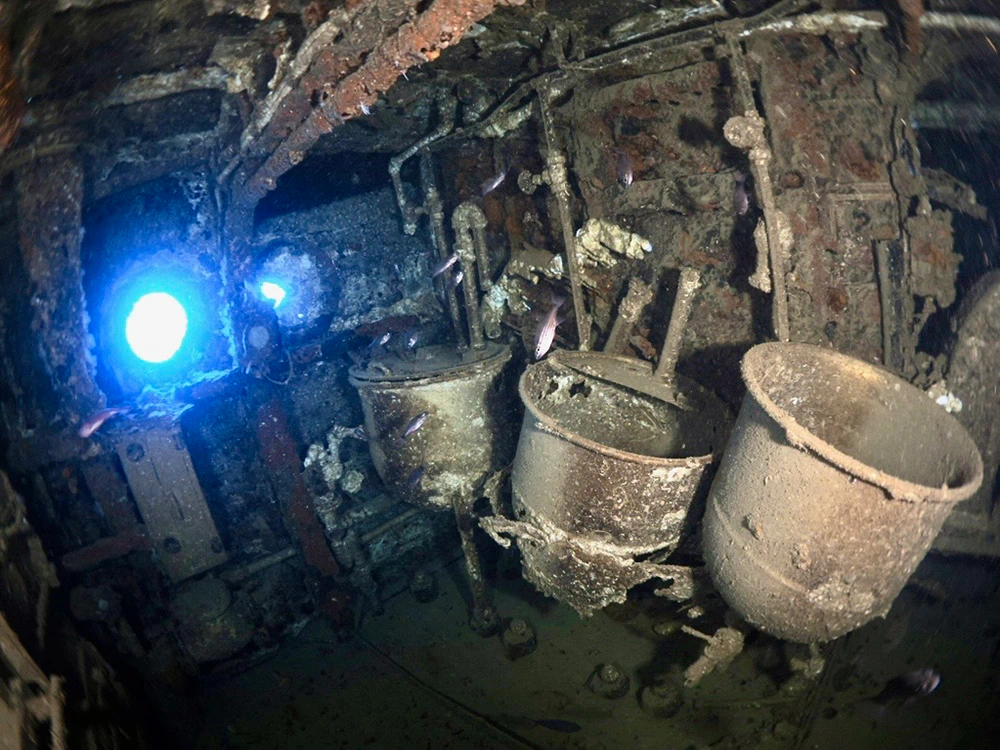
| Camera : OM SYSTEM OM-1 MKII |
| Lens : M.ZUIKO DIGITAL ED 8mm F1.8 Fisheye PRO |
| F : 1.8 |
| SS : 1/30 |
| ISO : 200 |
| Strobe : RC/TTL-AUTO (Flash Compensation: -1.3 EV) |
| Location : Kouri Island, Okinawa |
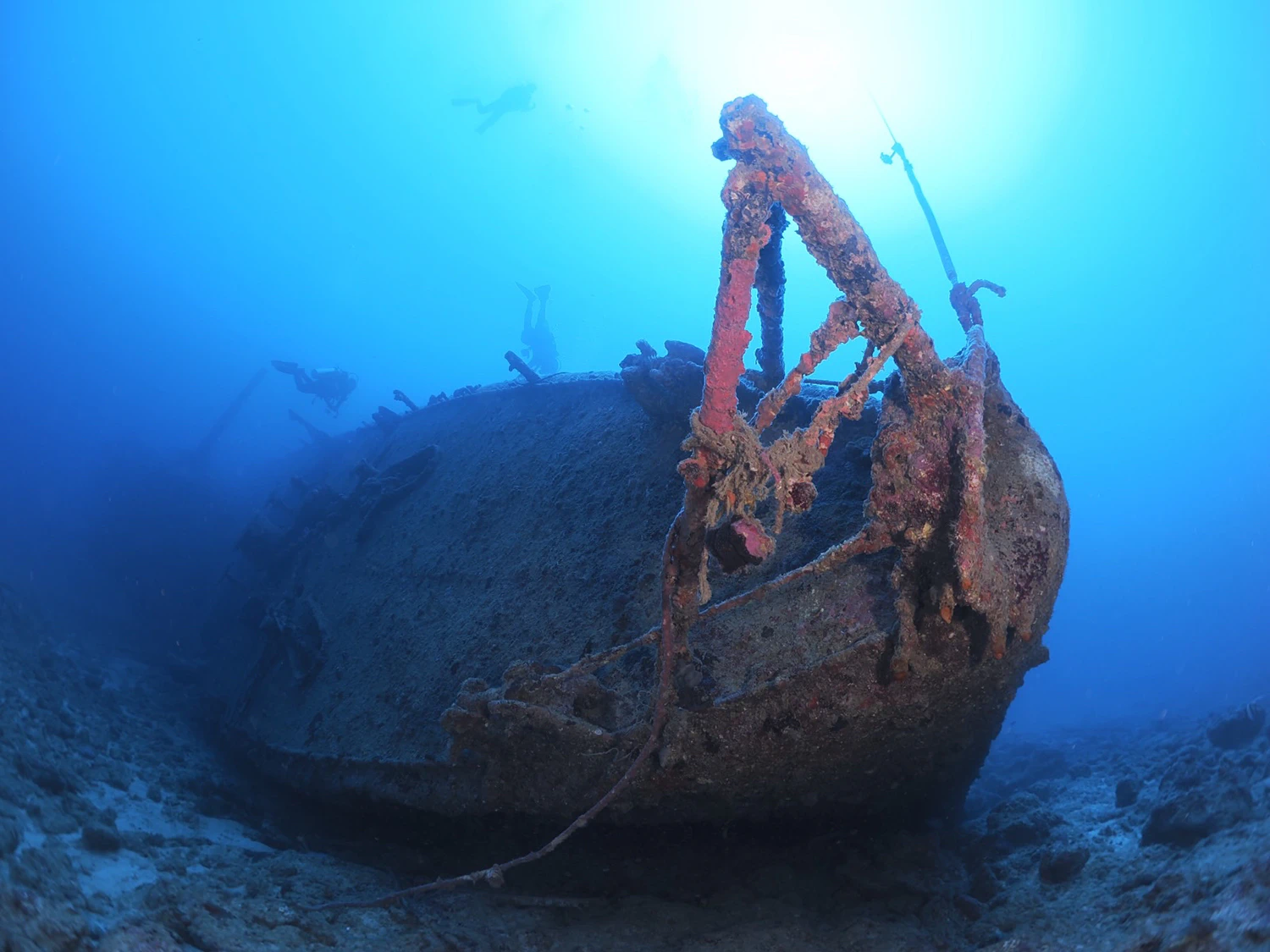
| Camera : OM SYSTEM OM-1 MKII |
| Lens : M.ZUIKO DIGITAL ED 8mm F1.8 Fisheye PRO |
| F : 3.5 |
| SS : 1/125 |
| ISO : 200 |
| Strobe : RC/TTL-AUTO (Flash Compensation: -1.3 EV) |
| Location : Kouri Island, Okinawa |
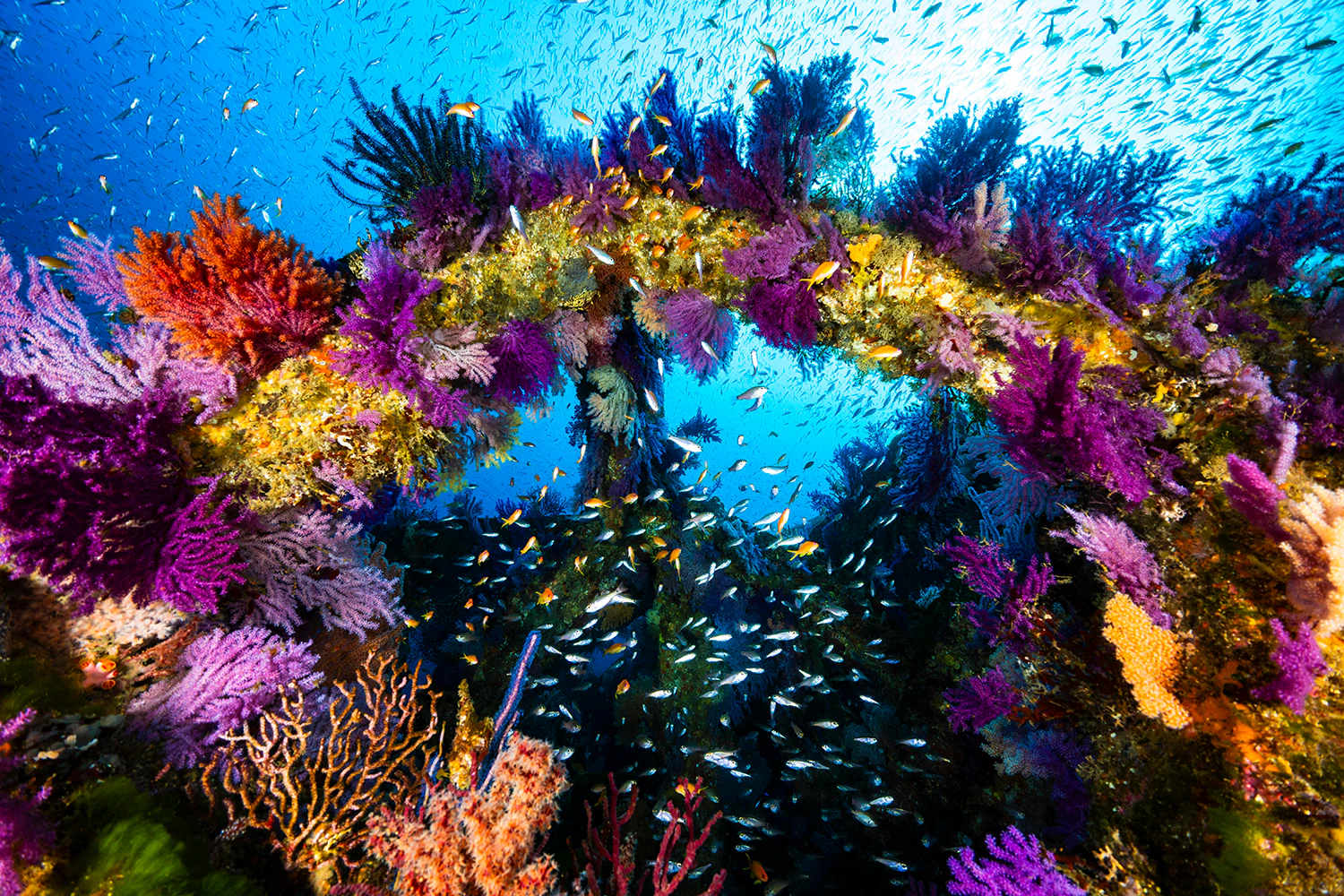
| Camera : Nikon Z9 |
| Lens : NIKKOR Z 14-30mm f/4 S + SEA&SEA M82 Internal Correction Lens |
| F : 9.0 |
| SS : 1/80 |
| ISO : 320 |
| Strobe : M (dome diffuser) |
| Location : Futo, Shizuoka |
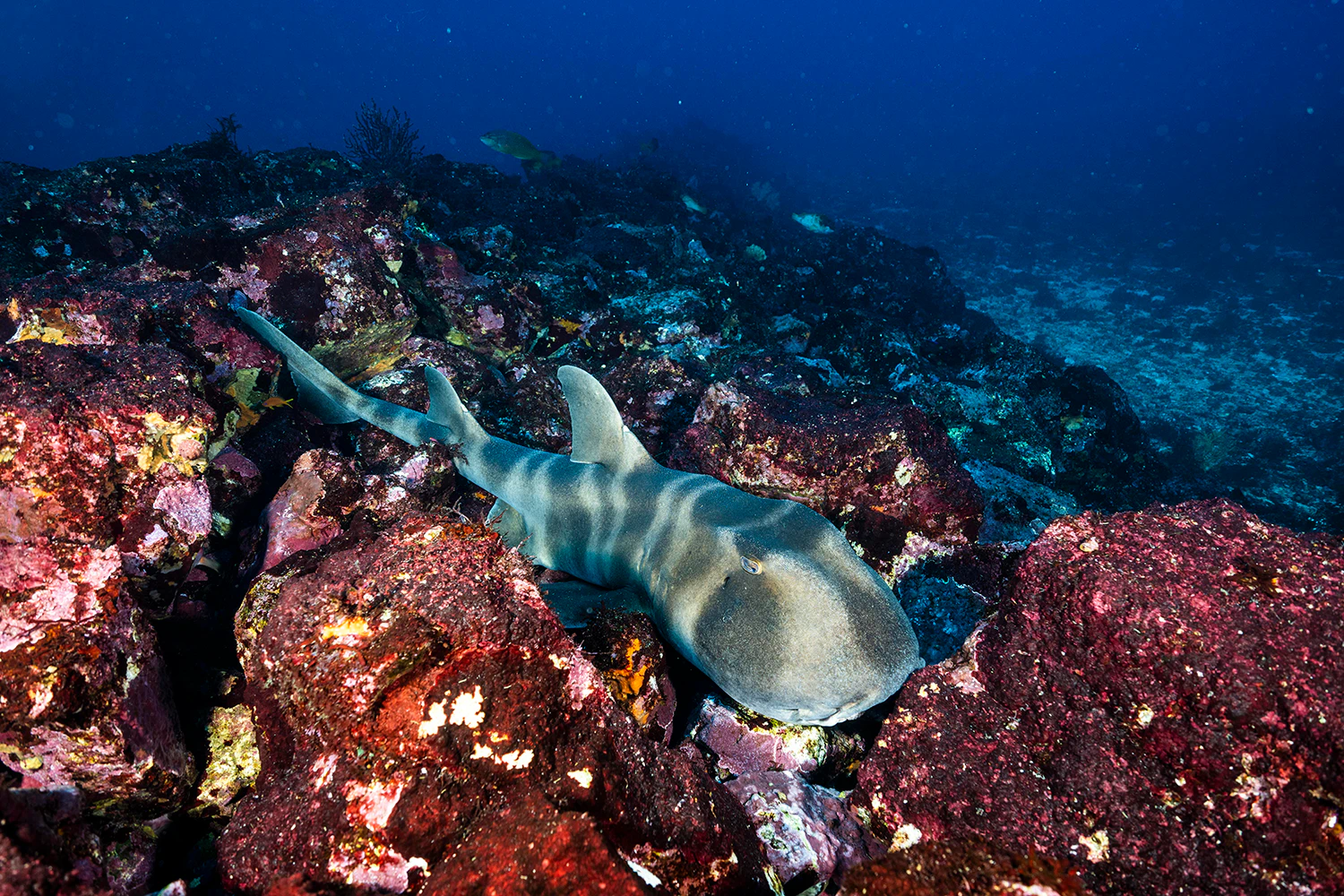
| Camera : Nikon Z9 |
| Lens : NIKKOR Z 14-30mm f/4 S + SEA&SEA M82 Internal Correction Lens |
| F : 7.1 |
| SS : 1/100 |
| ISO : 400 |
| Strobe : M (dome diffuser) |
| Location : Futo, Shizuoka |
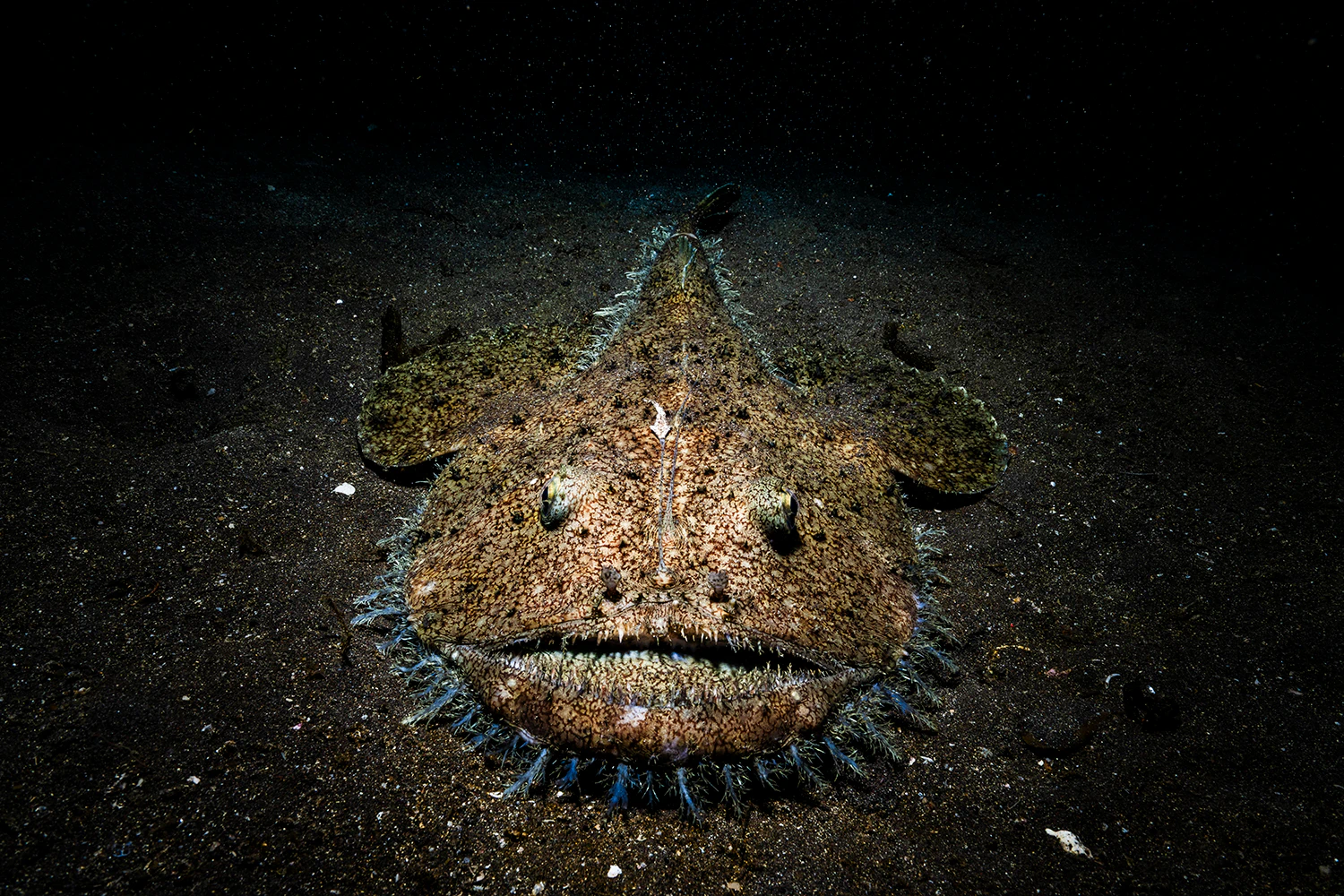
| Camera : Nikon Z9 |
| Lens : NIKKOR Z 14-30mm f/4 S + SEA&SEA M82 Internal Correction Lens |
| F : 18 |
| SS : 1/125 |
| ISO : 400 |
| Strobe : M |
| Location : Osezaki, Shizuoka |
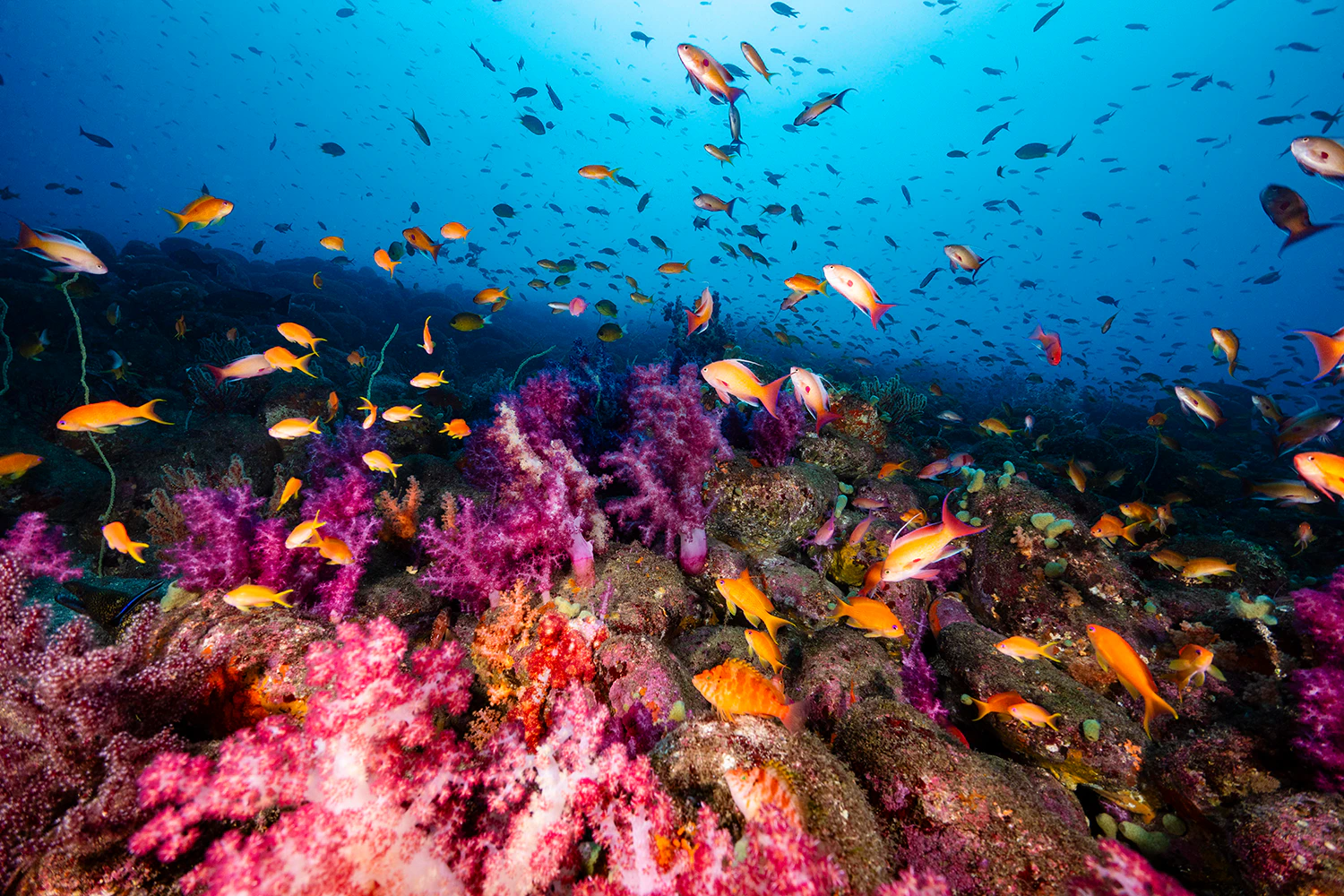
| Camera : Nikon Z9 |
| Lens : NIKKOR Z 14-30mm f/4 S + SEA&SEA M82 Internal Correction Lens |
| F : 8.0 |
| SS : 1/80 |
| ISO : 500 |
| Strobe : M (dome diffuser) |
| Location : Osezaki, Shizuoka |
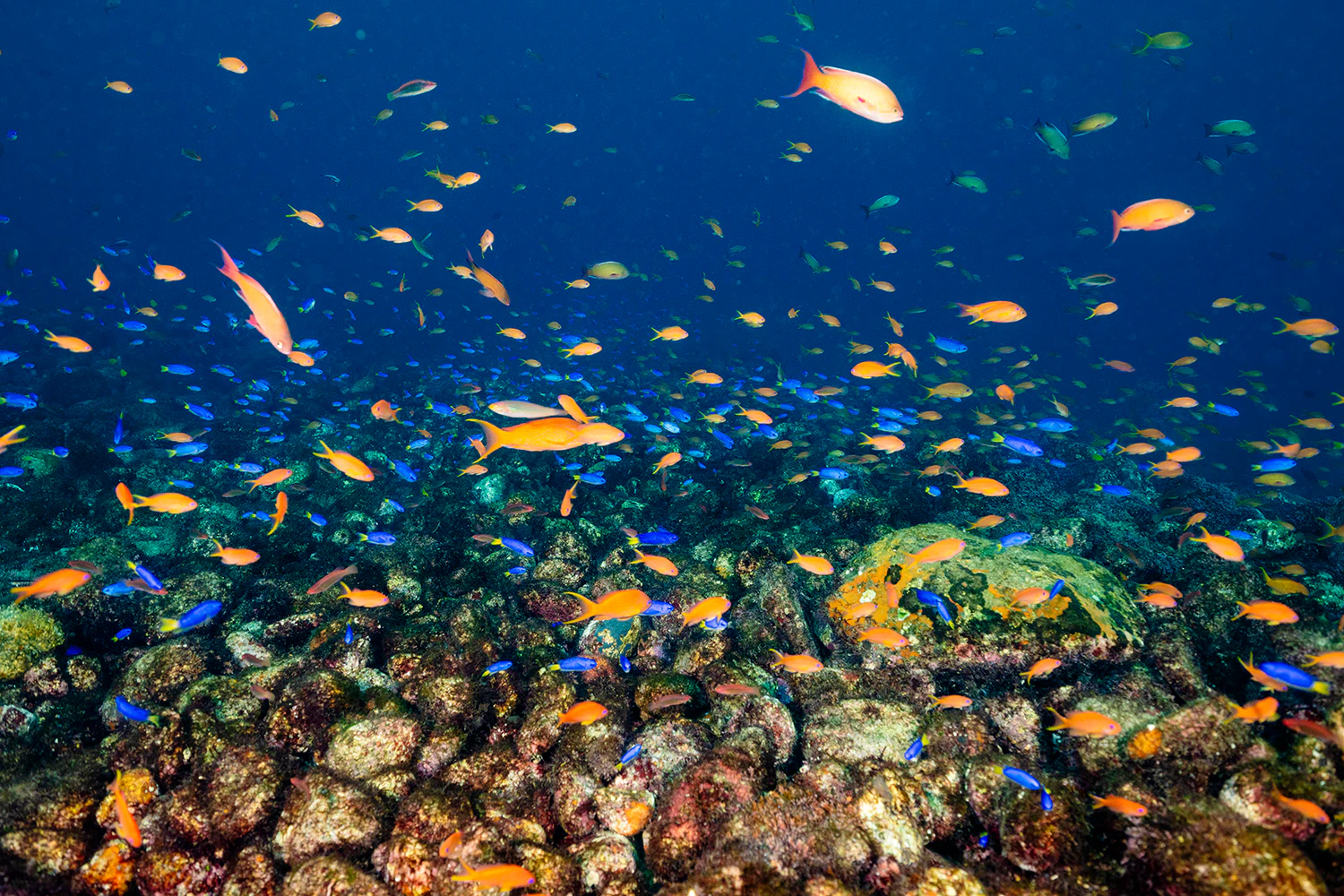
| Camera : Nikon Z9 |
| Lens : NIKKOR Z 14-30mm f/4 S + SEA&SEA M82 Internal Correction Lens |
| F : 7.1 |
| SS : 1/80 |
| ISO : 500 |
| Strobe : M (dome diffuser) |
| Location : Osezaki, Shizuoka |
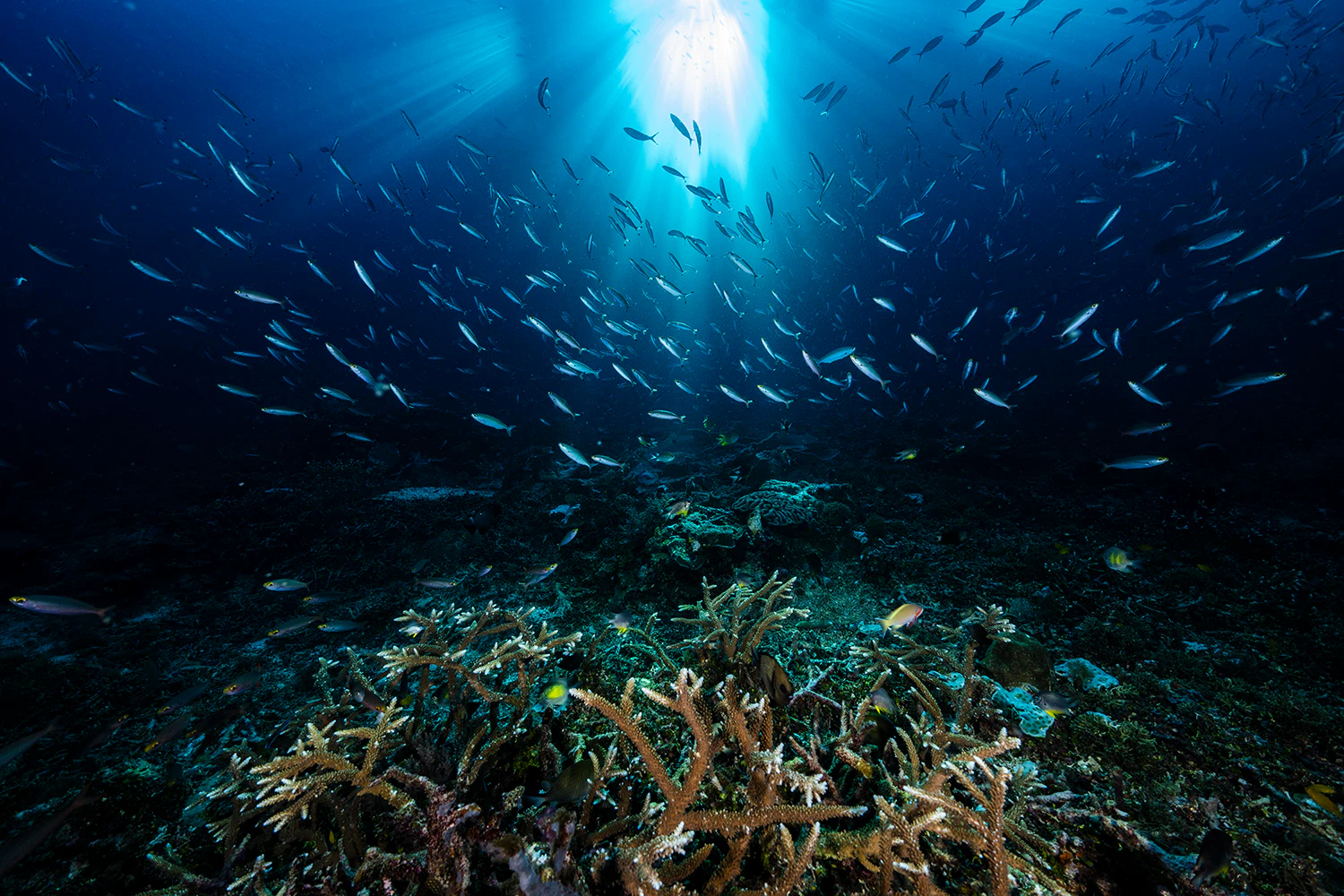
| Camera : Nikon Z9 |
| Lens : NIKKOR Z 14-30mm f/4 S + SEA&SEA M82 Internal Correction Lens |
| F : 11 |
| SS : 1/125 |
| ISO : 400 |
| Strobe : M (dome diffuser) |
| Location : Raja Ampat, Indonesia |
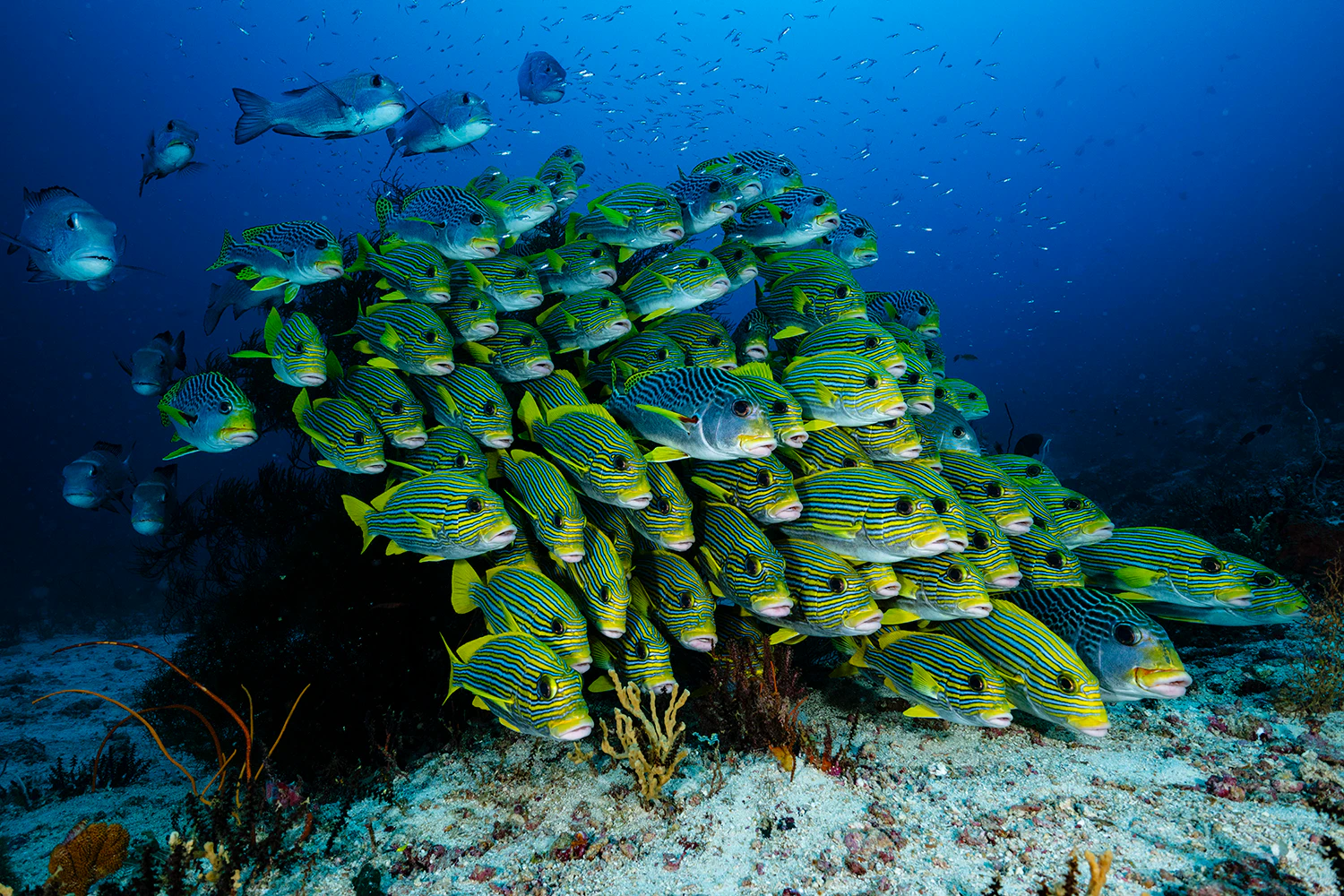
| Camera : Nikon Z9 |
| Lens : NIKKOR Z 14-30mm f/4 S + SEA&SEA M82 Internal Correction Lens |
| F : 10 |
| SS : 1/60 |
| ISO : 500 |
| Strobe : M (dome diffuser) |
| Location : Raja Ampat, Indonesia |
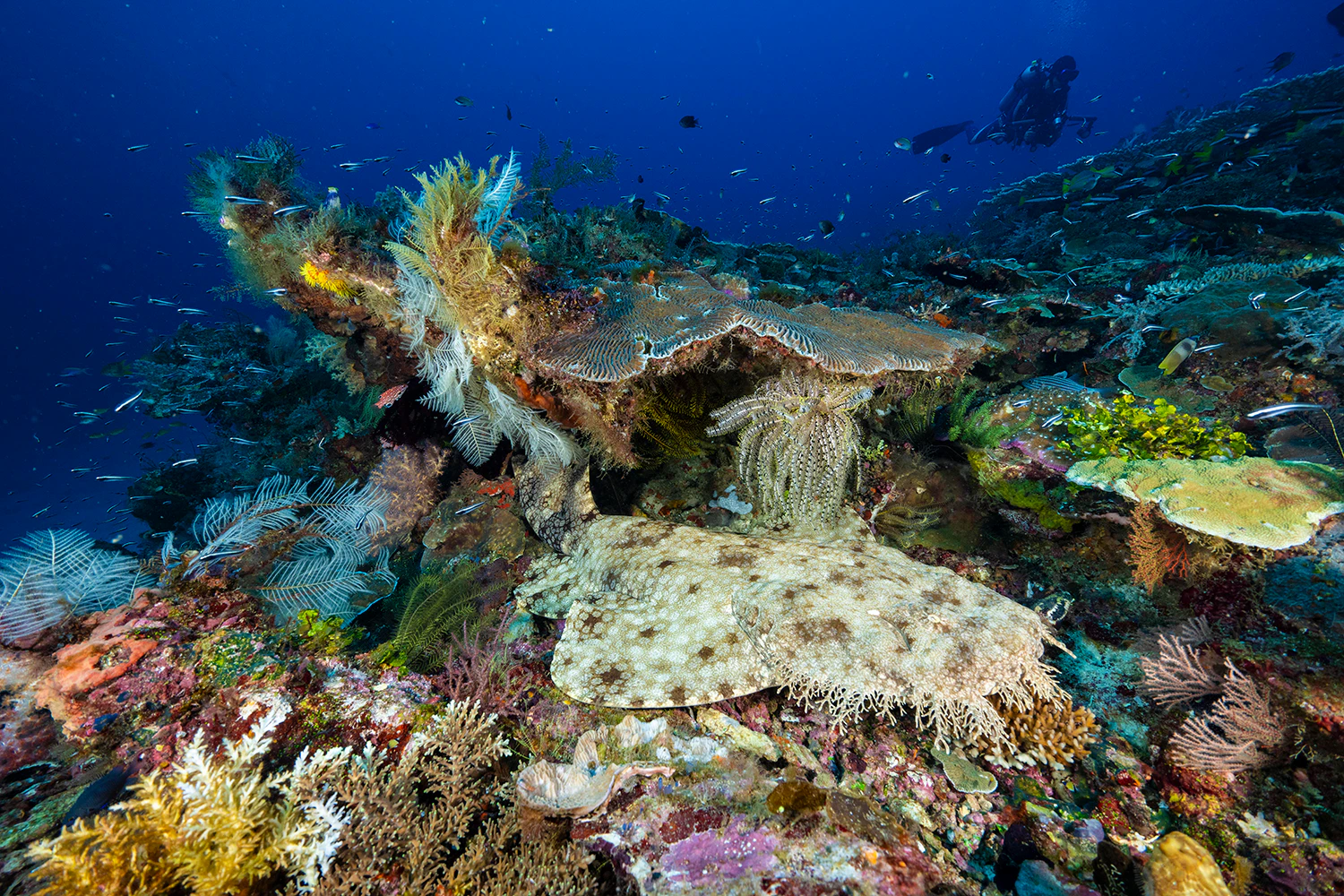
| Camera : Nikon Z9 |
| Lens : NIKKOR Z 14-30mm f/4 S + SEA&SEA M82 Internal Correction Lens |
| F : 10 |
| SS : 1/100 |
| ISO : 640 |
| Strobe : M (dome diffuser) |
| Location : Raja Ampat, Indonesia |
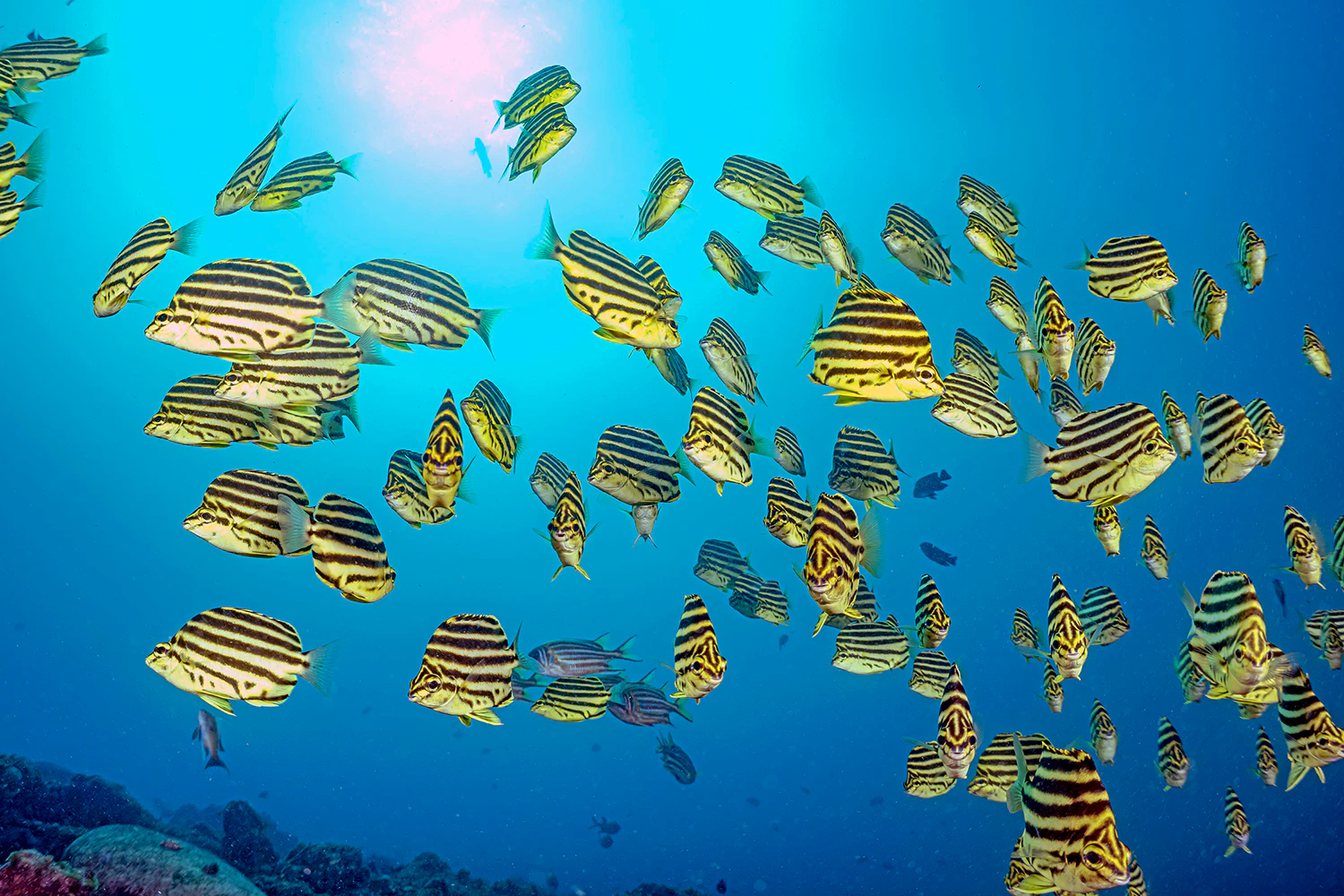
| Camera : Nikon Z9 |
| Lens : NIKKOR Z 14-30mm F/4 S |
| F : 8.0 |
| SS : 1/200 |
| ISO : 320 |
| Strobe : M (dome diffuser) |
| Location : Kushimoto, Wakayama |
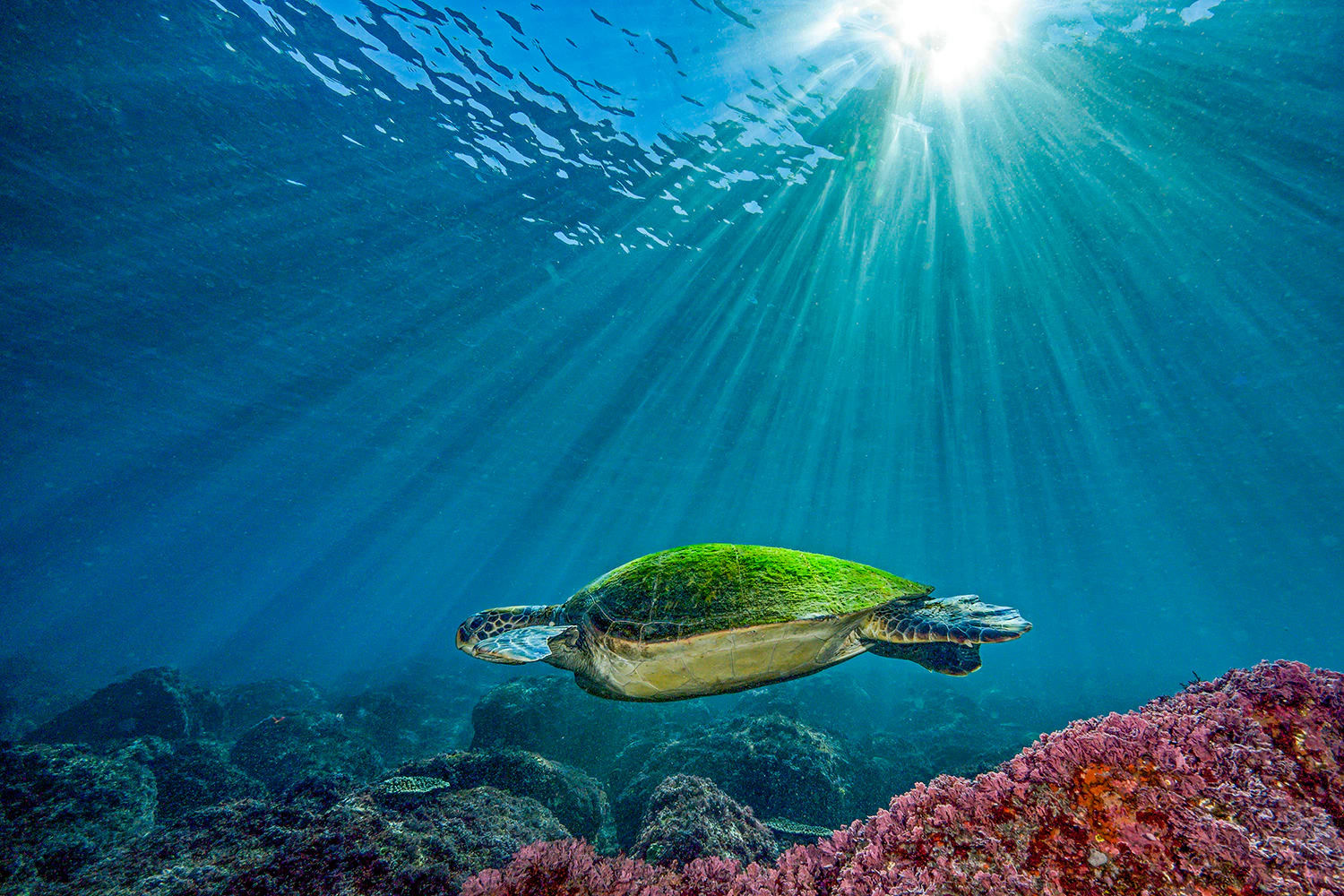
| Camera : Nikon Z9 |
| Lens : NIKKOR Z 14-30mm F/4 S |
| F : 14 |
| SS : 1/640 |
| ISO : 100 |
| Strobe : HSS |
| Location : Izu Oshima |
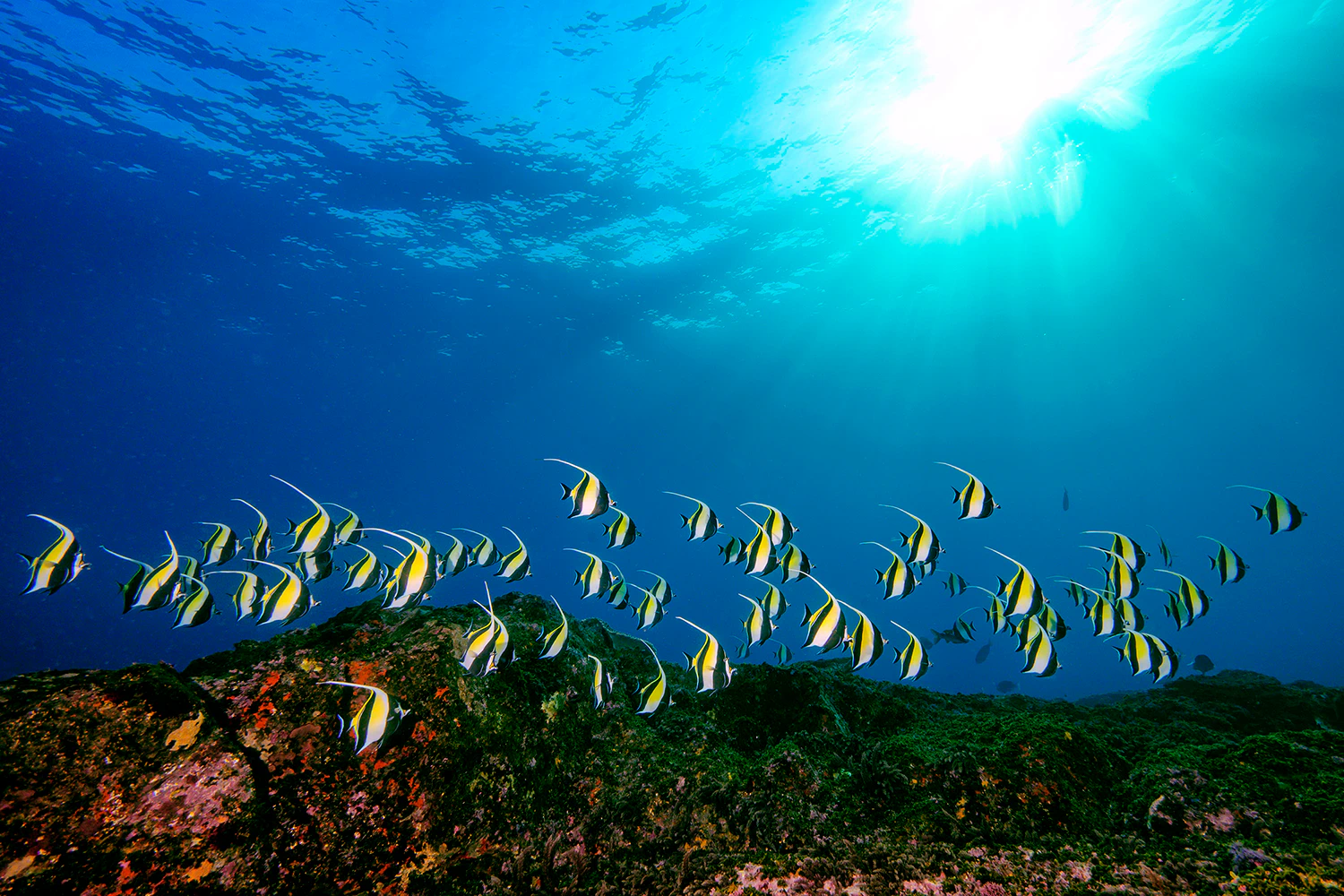
| Camera : Nikon Z6II |
| Lens : NIKKOR Z 14-30mm F/4 S |
| F : 11 |
| SS : 1/200 |
| ISO : 200 |
| Strobe : M (dome diffuser) |
| Location : Izu Oshima |
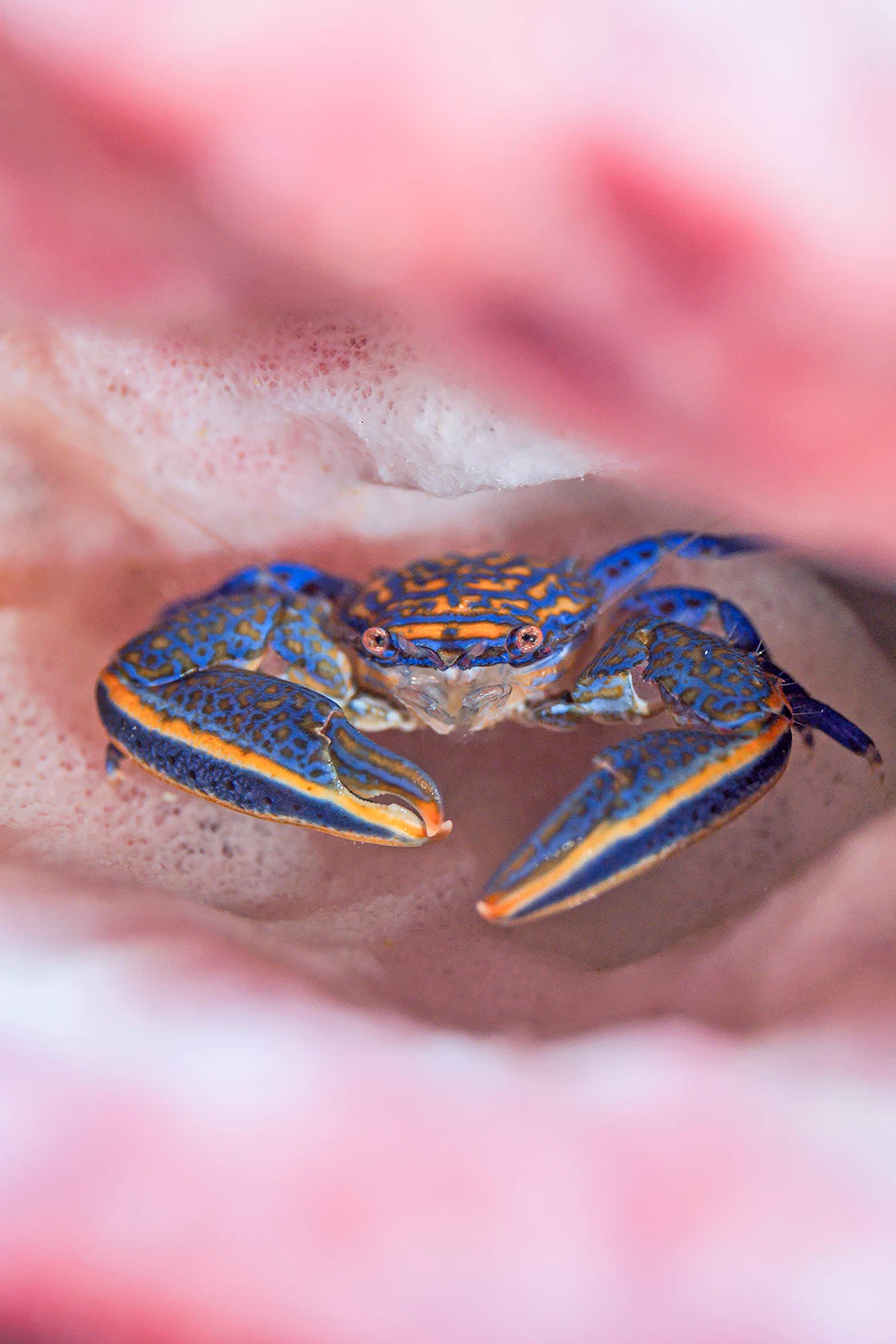
| Camera : Nikon Z6II |
| Lens : NIKKOR Z MC 105mm f/2.8 VR S |
| F : 10 |
| SS : 1/200 |
| ISO : 400 |
| Strobe : M (dome diffuser) |
| Location : Kushimoto, Wakayama |
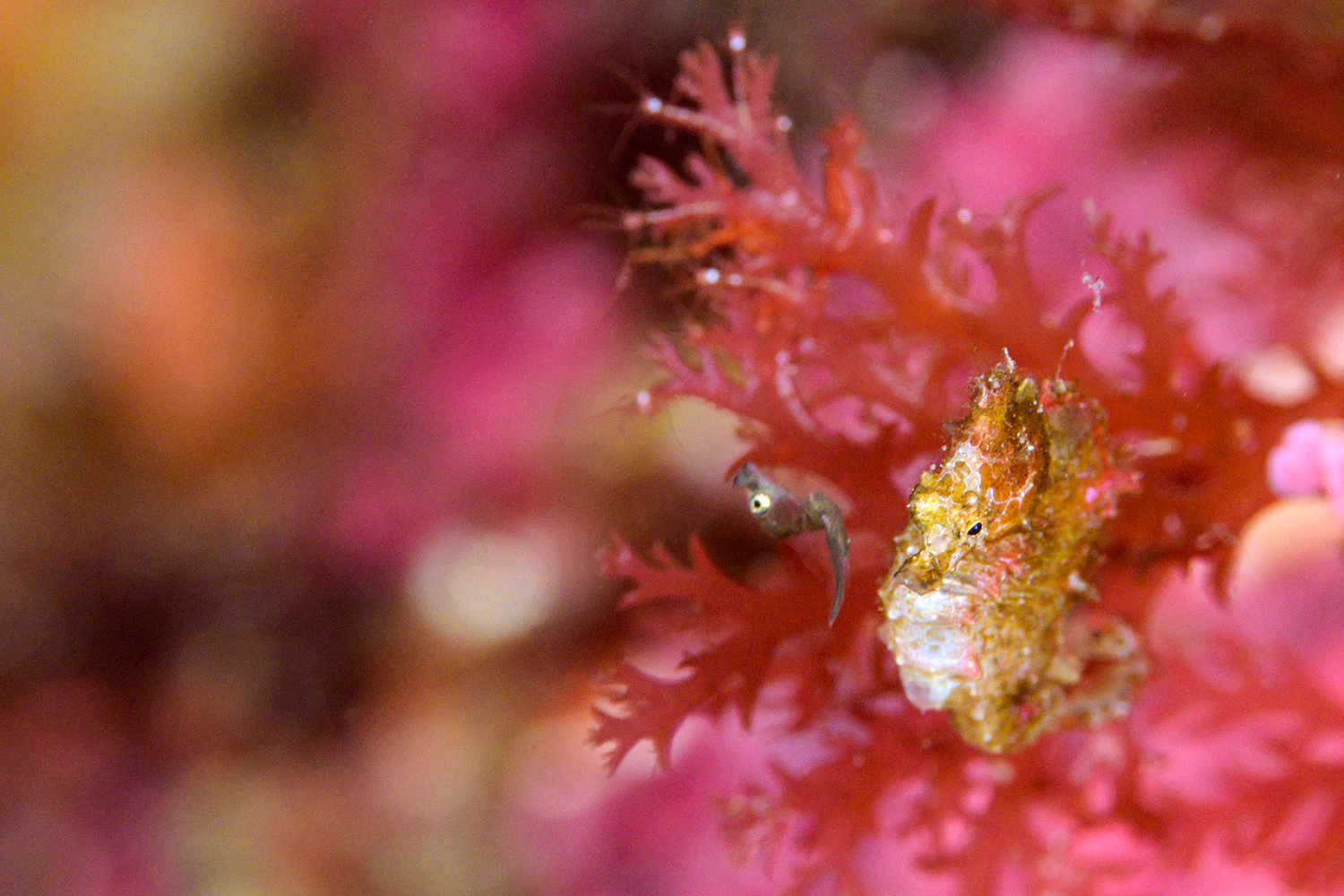
| Camera : Nikon Z9 |
| Lens : NIKKOR Z MC 105mm f/2.8 VR S |
| F : 13 |
| SS : 1/320 |
| ISO : 1000 |
| Strobe : HSS (dome diffuser) |
| Location : Izu Oshima |
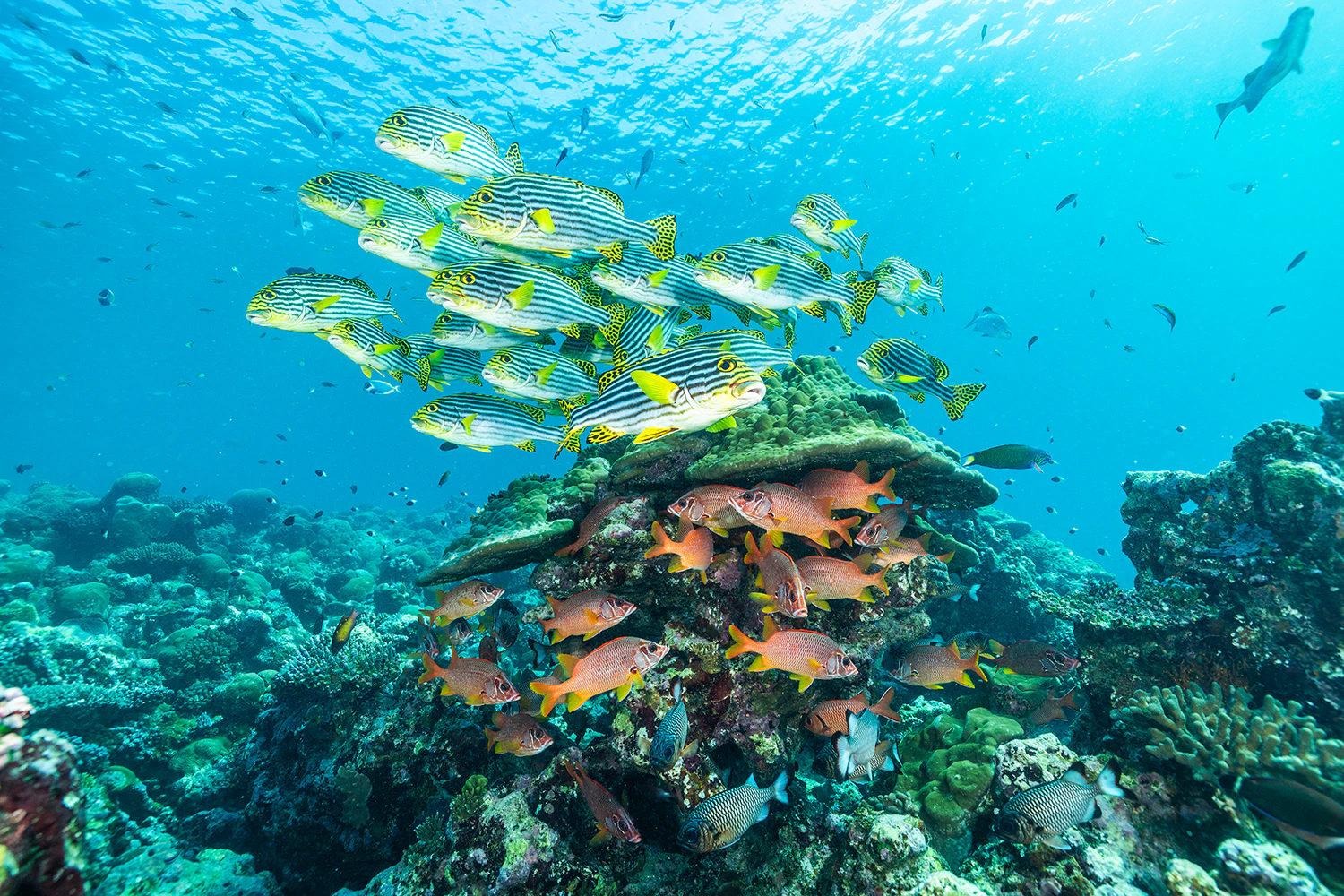
| Camera : CANON EOS R5C |
| Lens : RF15-35mm |
| F : 8.0 |
| SS : 1/400 |
| ISO : 200 |
| Strobe : HSS -1.0 |
| Location : Maldives |
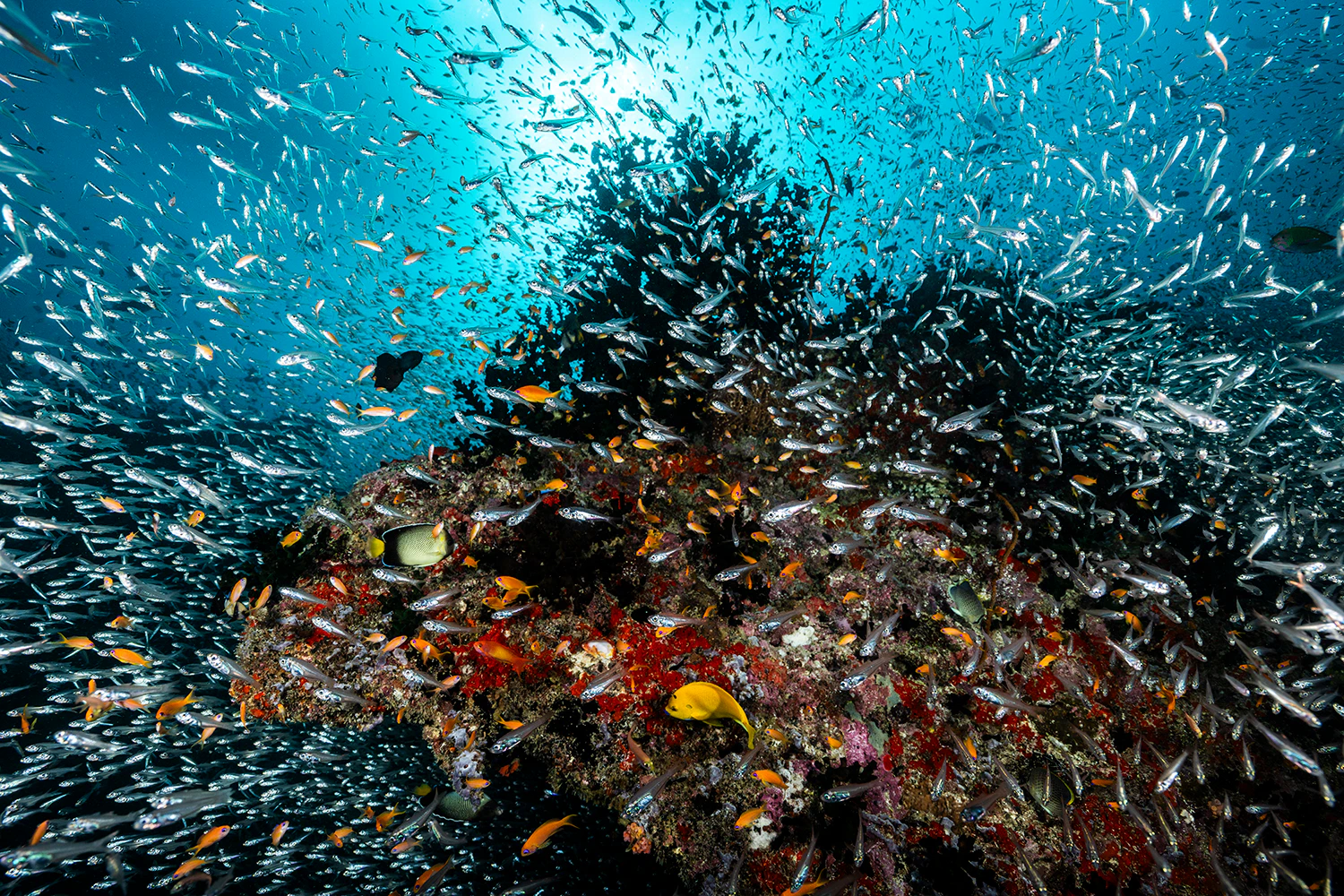
| Camera : CANON EOS R5C |
| Lens : RF15-35mm |
| F : 5.6 |
| SS : 1/400 |
| ISO : 400 |
| Strobe : HSS -1.5 |
| Location : Maldives |
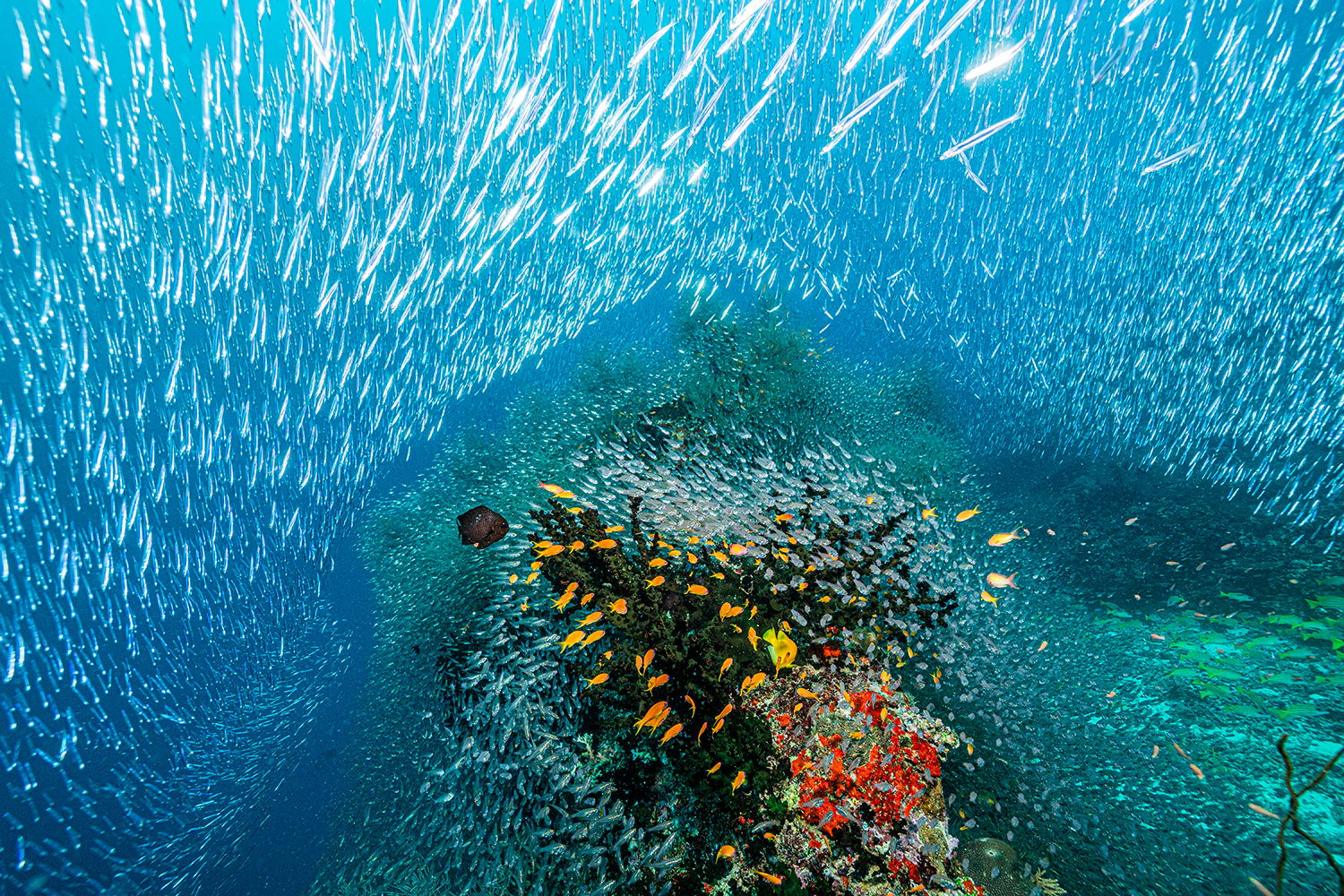
| Camera : CANON EOS R5C |
| Lens : RF15-35mm |
| F : 7.1 |
| SS : 1/125 |
| ISO : 400 |
| Strobe : HSS -0.5 |
| Location : Maldives |
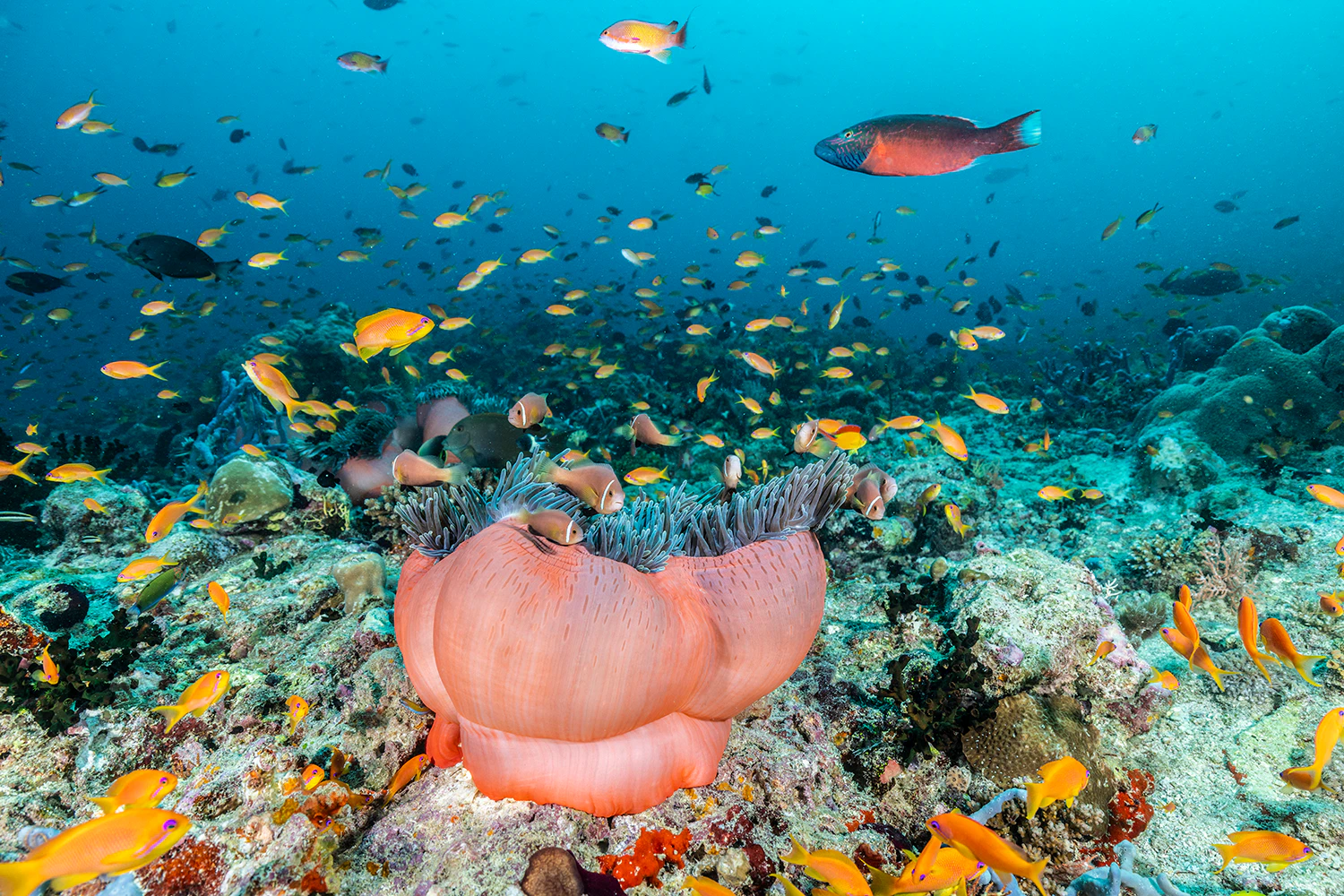
| Camera : CANON EOS R5C |
| Lens : RF15-35mm |
| F : 8.0 |
| SS : 1/80 |
| ISO : 400 |
| Strobe : M -1.5 |
| Location : Maldives |
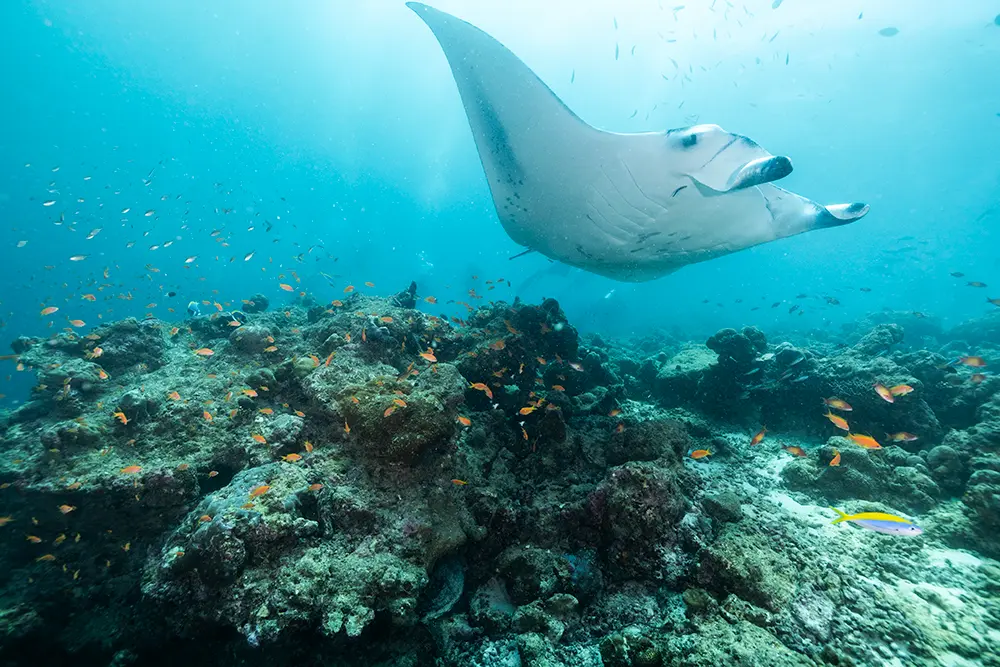
| Camera : CANON EOS R5C |
| Lens : RF15-35mm |
| F : 7.1 |
| SS : 1/400 |
| ISO : 400 |
| Strobe : HSS -1.5 |
| Location : Maldives |
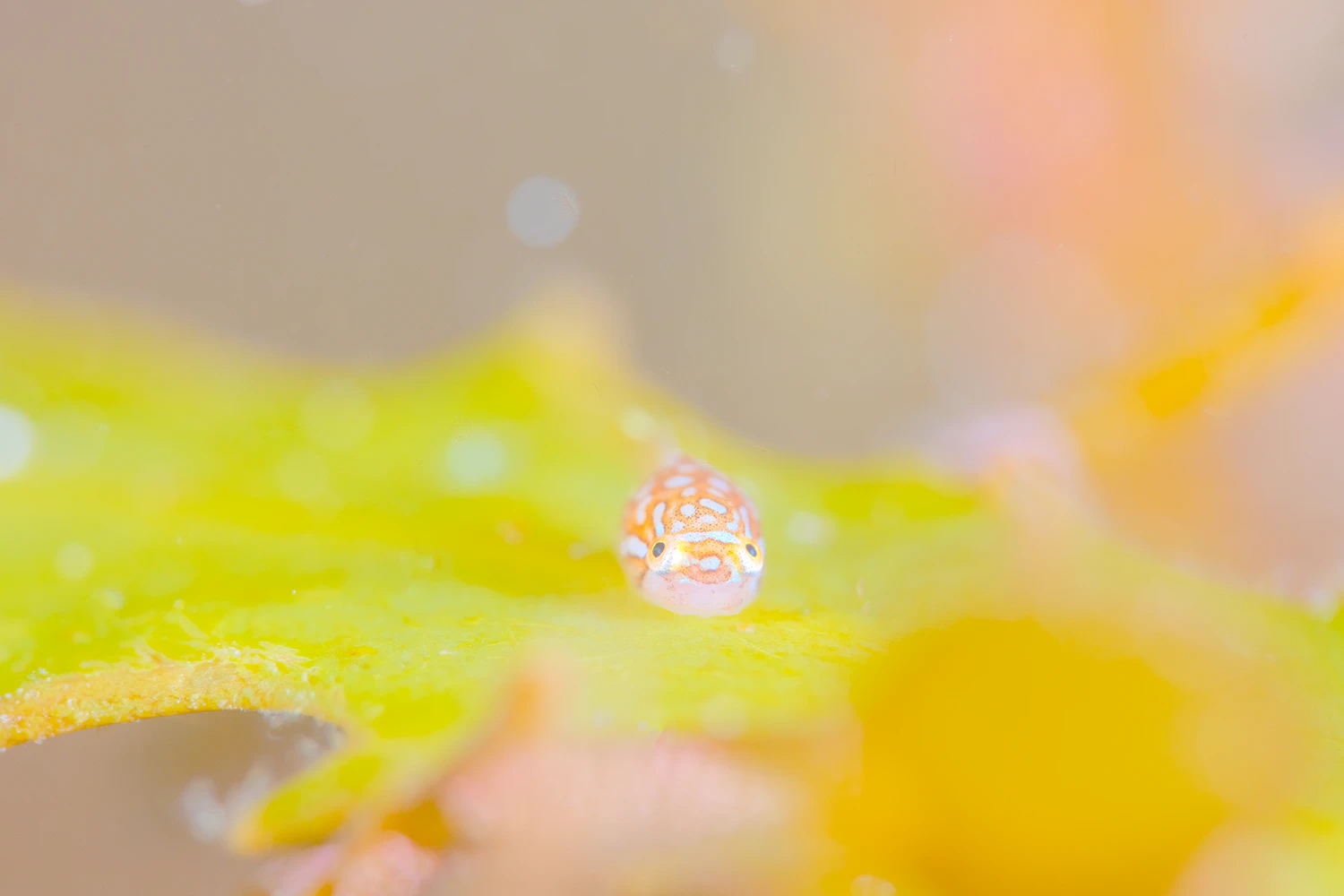
| Camera : FUJIFILM X-T4 |
| Lens : XF80mmF2.8 R LM OIS WR Macro |
| F : 8.0 |
| SS : 1/60 |
| ISO : 640 |
| Strobe : M (diffuser) |
| Location : Sado Island, Niigata |
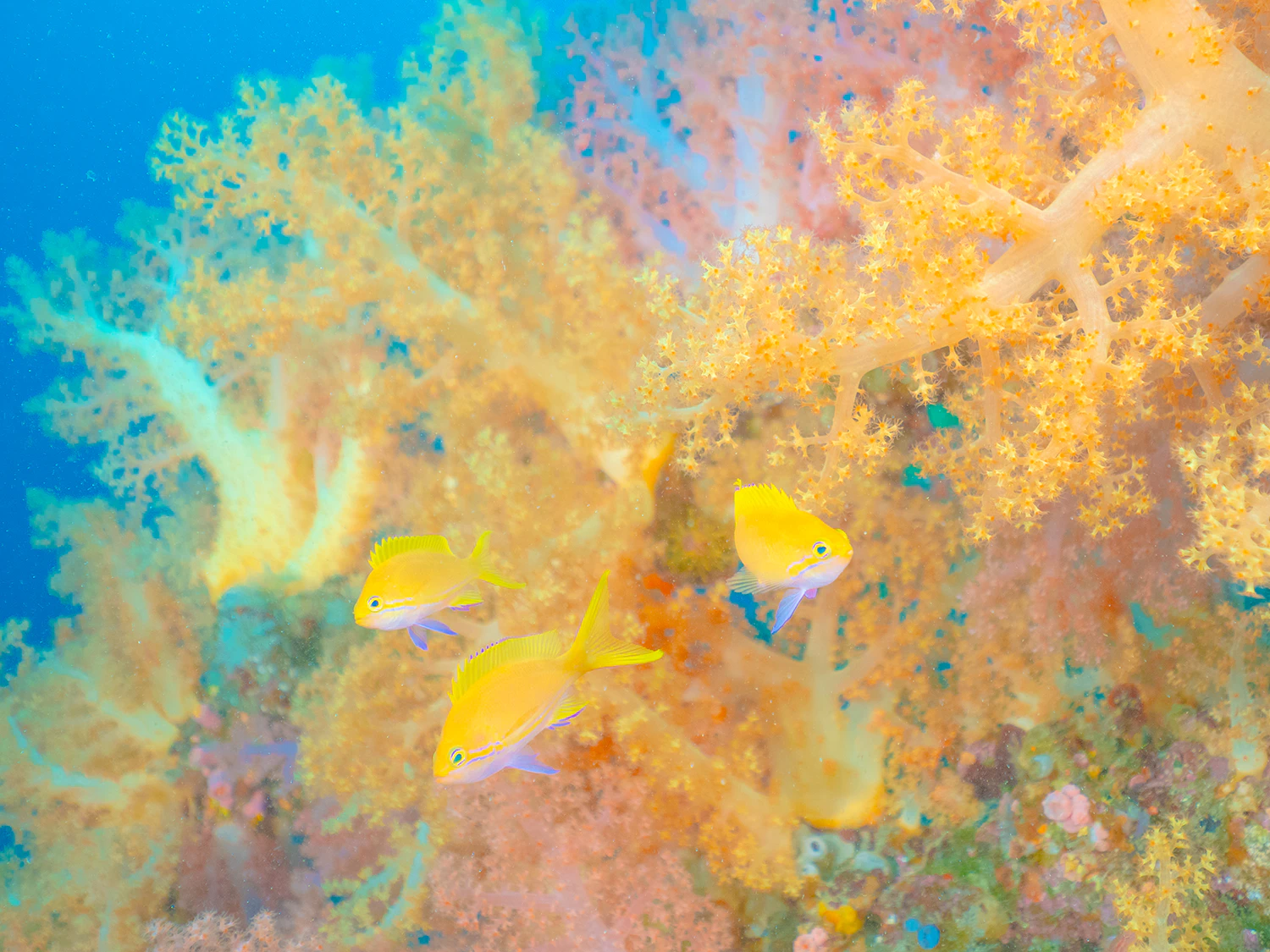
| Camera : OM SYSTEM OM-1 |
| Lens : M.ZUIKO DIGITAL ED 7-14mm F2.8 PRO |
| F : 2.8 |
| SS : 1/120 |
| ISO : 400 |
| Strobe : RC (diffuser) |
| Location : Kashiwajima, Kochi |
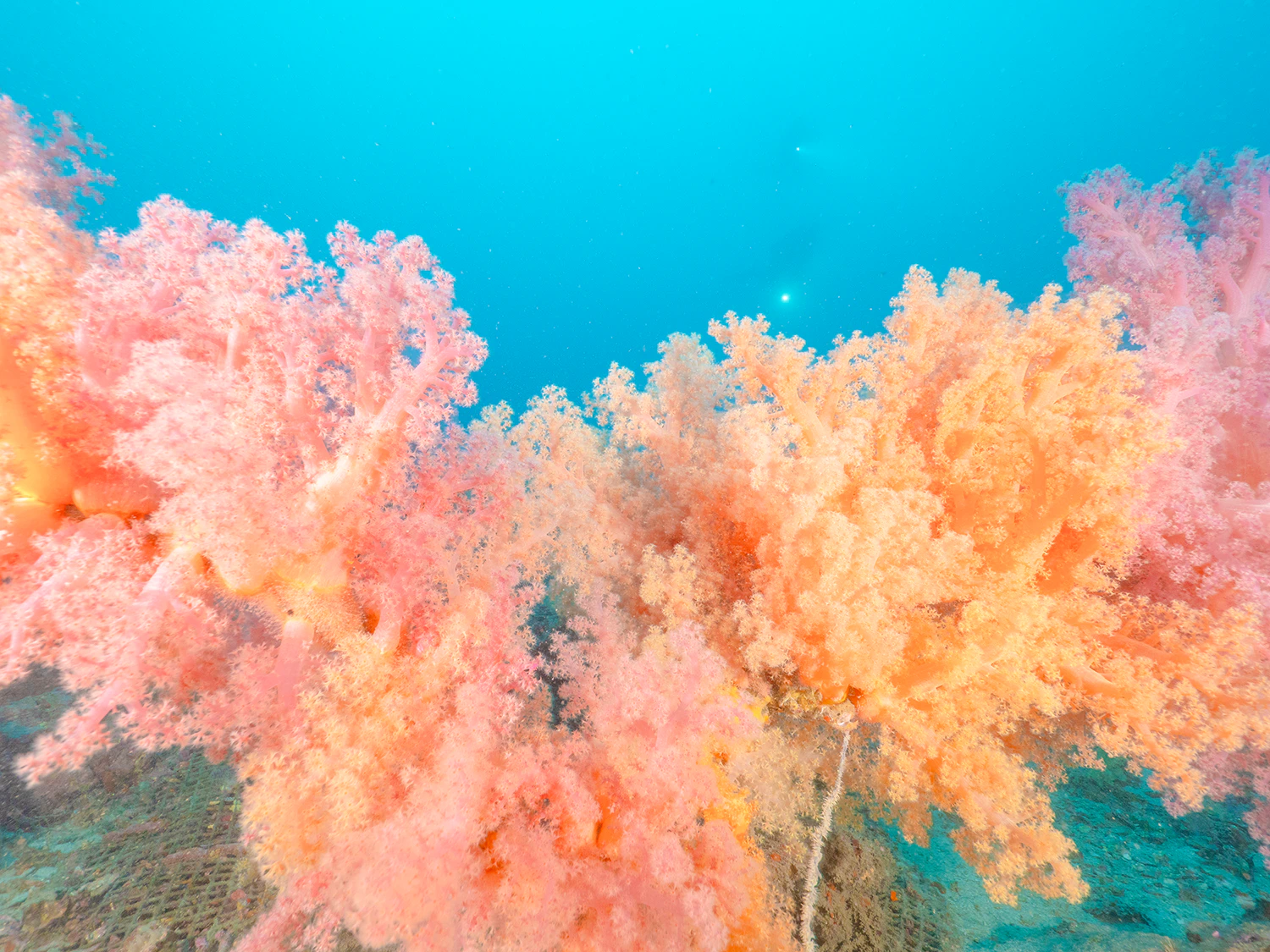
| Camera : OM SYSTEM OM-1 |
| Lens : M.ZUIKO DIGITAL ED 7-14mm F2.8 PRO |
| F : 7.1 |
| SS : 1/60 |
| ISO : 500 |
| Strobe : RC (diffuser) |
| Location : Ainan, Ehime |
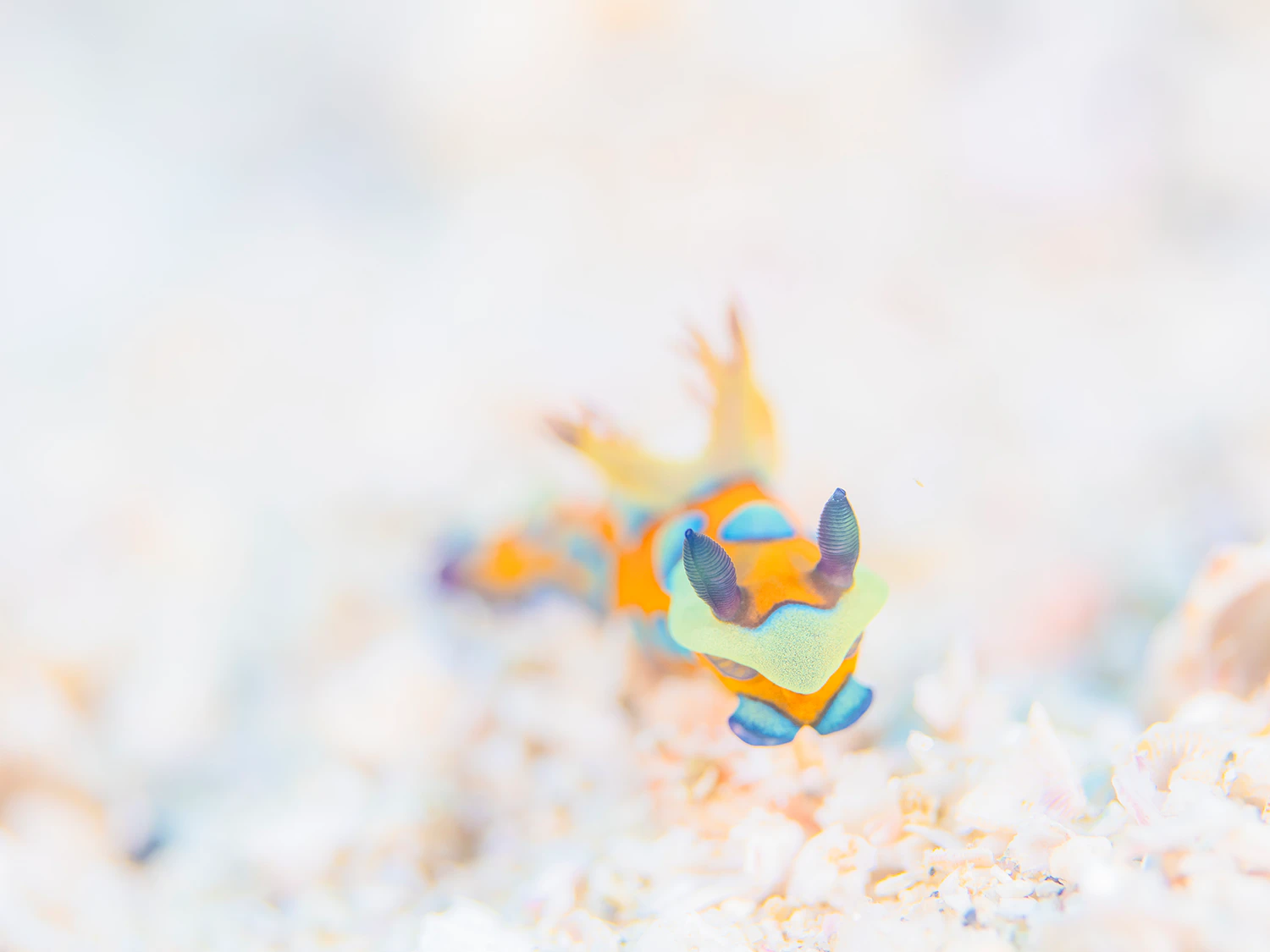
| Camera : OM SYSTEM OM-1 |
| Lens : M.ZUIKO DIGITAL ED 60mm F2.8 Macro |
| F : 2.8 |
| SS : 1/250 |
| ISO : 200 |
| Strobe : RC (diffuser) |
| Location : Kashiwajima, Kochi |
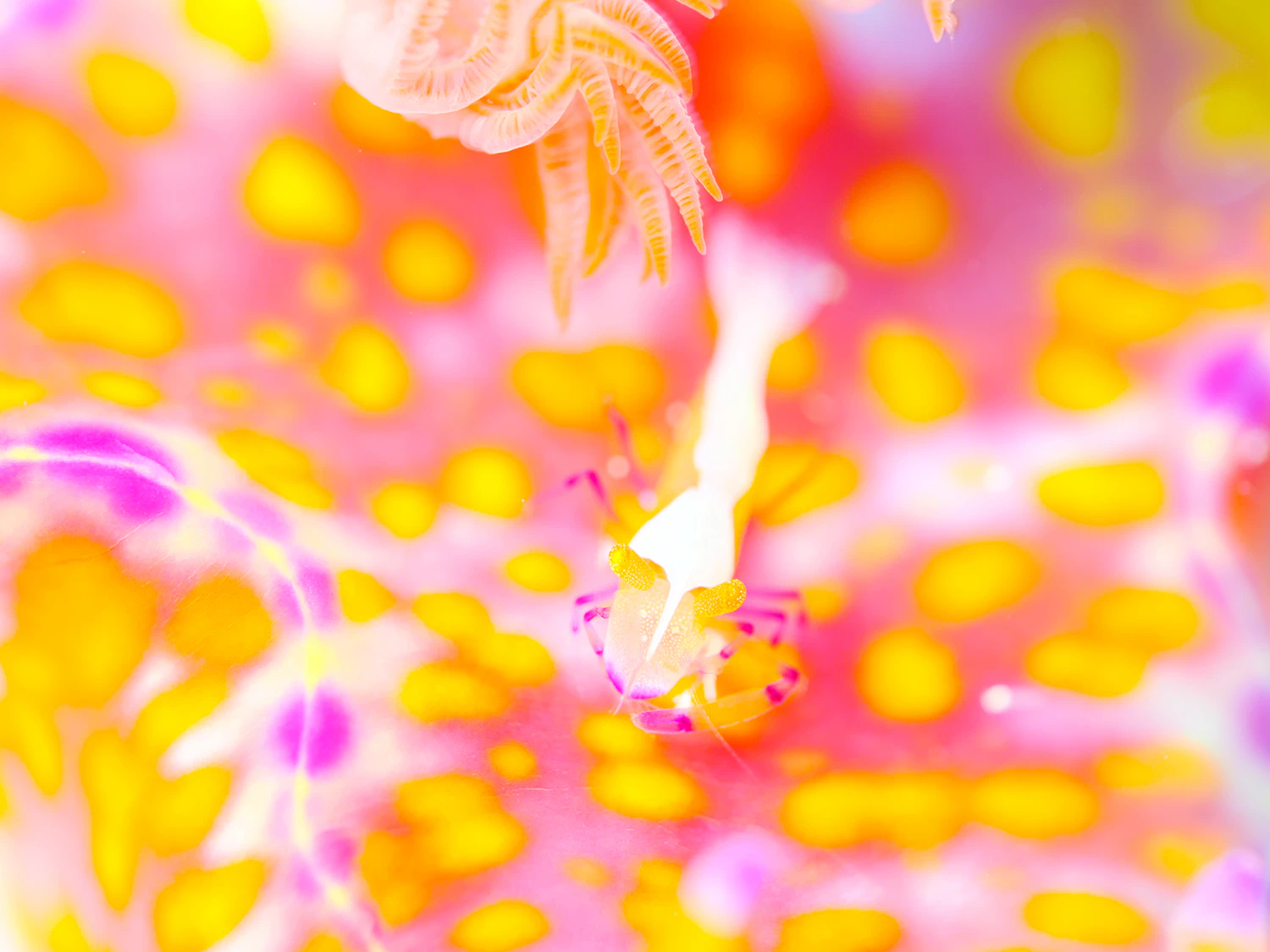
| Camera : OM SYSTEM OM-1 |
| Lens : M.ZUIKO DIGITAL ED 60mm F2.8 Macro |
| F : 5.0 |
| SS : 1/125 |
| ISO : 200 |
| Strobe : RC (diffuser) |
| Location : Kashiwajima, Kochi |
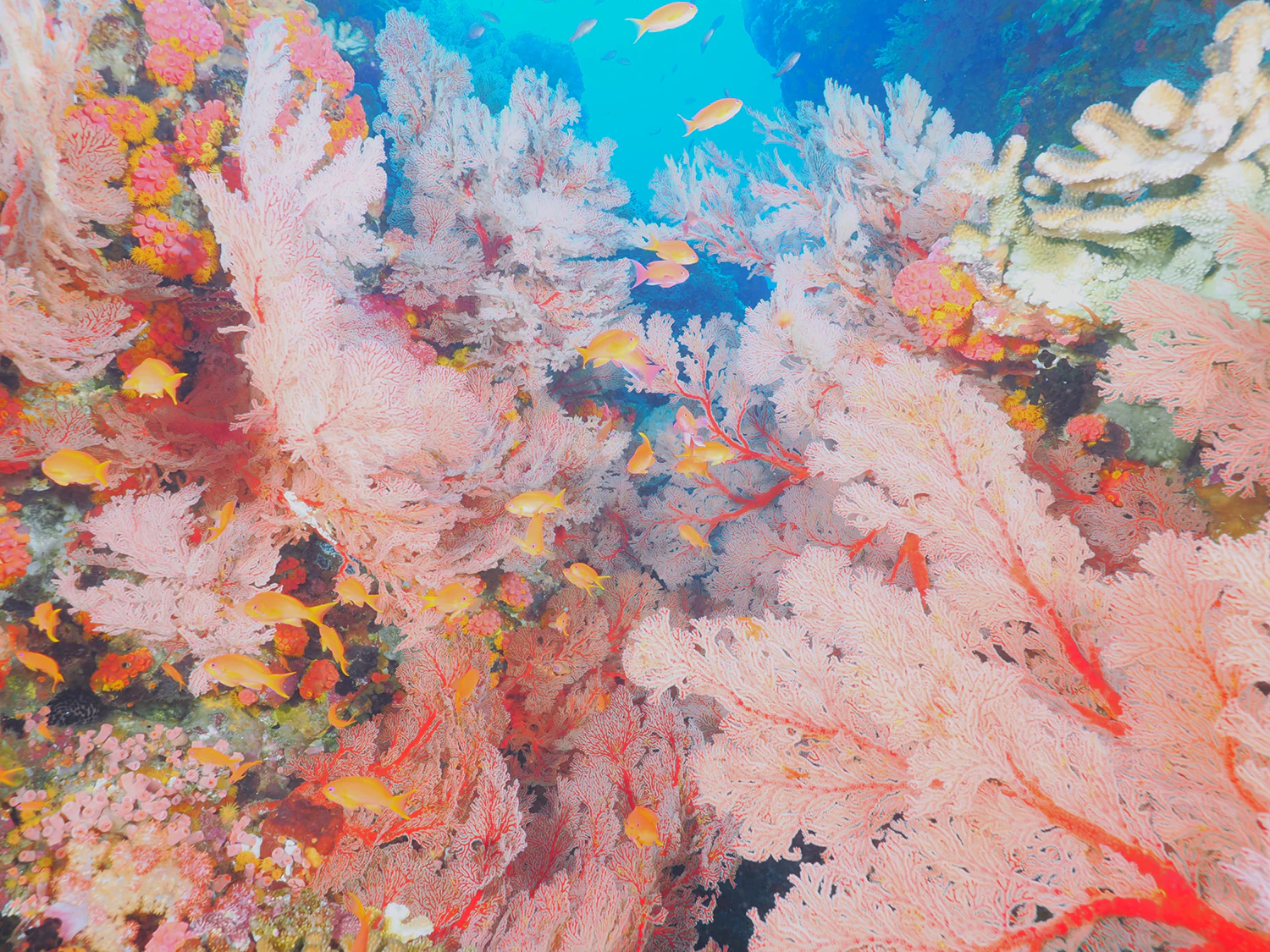
| Camera : OM SYSTEM OM-1 |
| Lens : M.ZUIKO DIGITAL ED 7-14mm F2.8 PRO |
| F : 5.6 |
| SS : 1/125 |
| ISO : 400 |
| Strobe : RC (diffuser) |
| Location : Kuchinoerabu Island, Kagoshima |
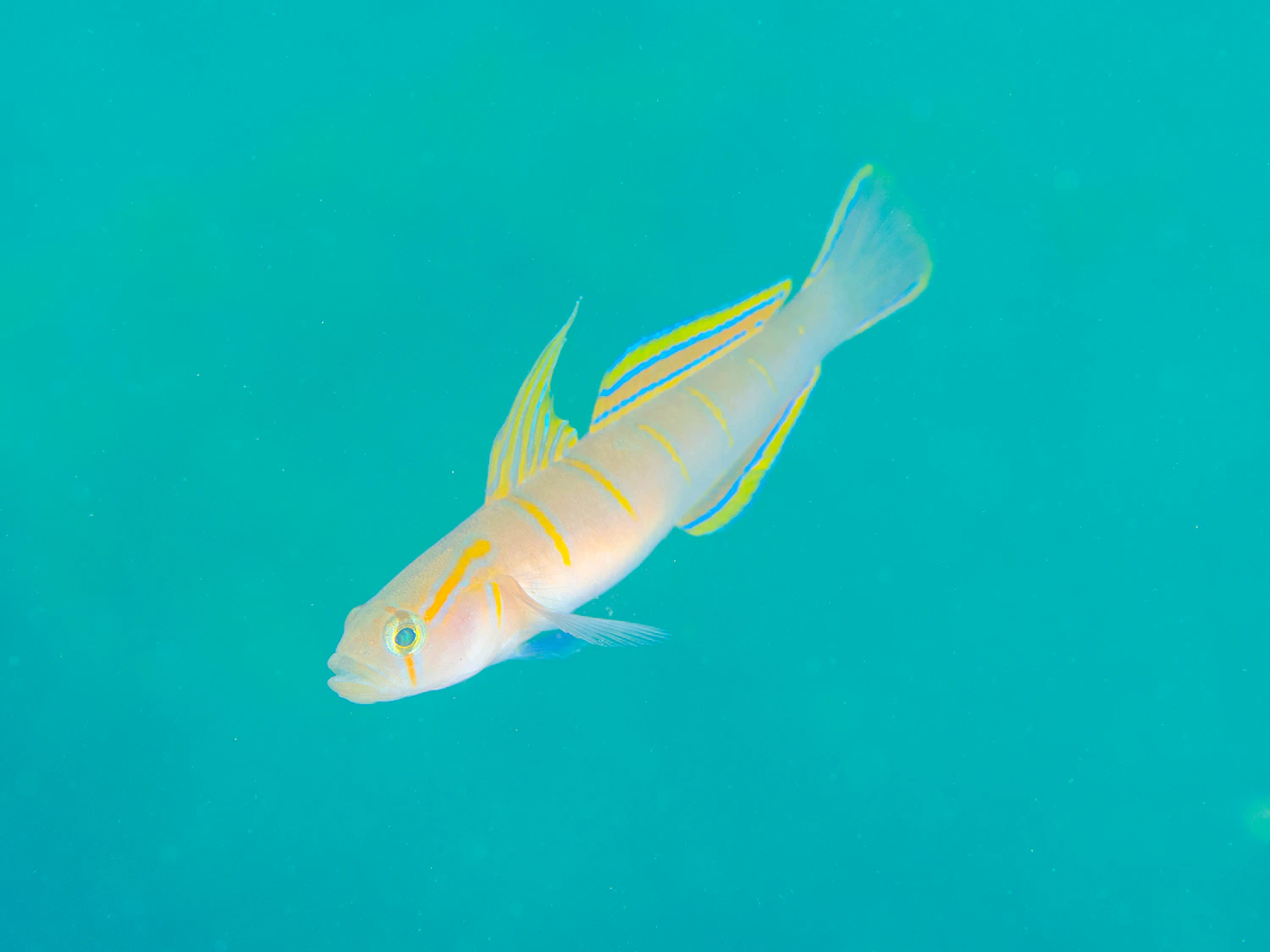
| Camera : OM SYSTEM OM-1 |
| Lens : M.ZUIKO DIGITAL ED 60mm F2.8 Macro |
| F : 4.5 |
| SS : 1/125 |
| ISO : 250 |
| Strobe : RC (diffuser) |
| Location : Sado Island, Niigata |
Copyright (C) SEA&SEA Co., Ltd. All Rights Reserved.